
ICRA says renewables to reach 35% of India’s power mix by 2030
ICRA, an Indian credit rating agency, says renewable energy will account for 35% of India’s energy mix by 2030 as coal drops to 59%.
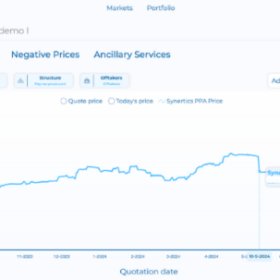
Synertics launches PPA evaluation tool for buyers, sellers
The Germany-based consulting company has presented a new online tool for tracking, pricing and analyzing renewable energy power purchase agreements (PPAs). It is targeted at both buyers and sellers of renewable energy.
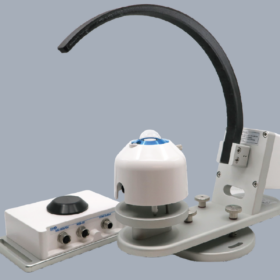
EKO unveils new solar monitoring solution
The latest irradiance sensor solution from Japan-based EKO Instruments provides continuous measurements in the field. Well-suited for bifacial PV systems, it supports the measurement of global horizontal irradiance, diffuse horizontal irradiance and direct normal irradiance, even in reflective and cloudy conditions.

U.S. solar industry on track to install 250 GW in five years
According to the U.S. Solar Market Insight Q3 2024 report, in the two years since passage of the IRA the solar industry has added 75 GW of new capacity to the grid, representing over 36% of all solar capacity built in U.S. history.
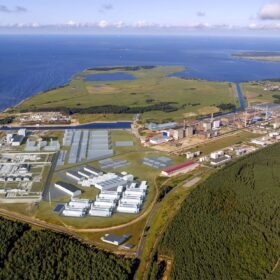
The Hydrogen Stream: KGAL invests in 1 GW green hydrogen hub in Baltic Sea
The KGAL ESPF 6 Energy Transition Fund says it is investing in a 1,050 MW green hydrogen hub at Lubmin, a Baltic Sea port in Germany.

Sharp unveils 610 W TOPCon solar panel with 22.58% efficiency
Sharp’s new IEC61215- and IEC61730-certified solar panels have an operating temperature coefficient of -0.29% per C and a bifaciality factor of over 80%.

Danish solar park gets go ahead after 25 companies sign PPA
A coalition of 25 Danish companies has signed a five-year power purchase agreement (PPA) to buy electricity from a new solar project in Denmark. The deal is with electricity supplier Reel Energy and developer Energicenter Nord.
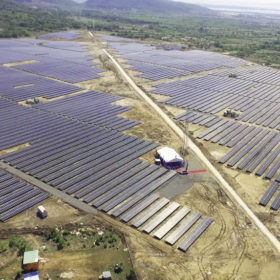
India’s NHPC tenders 2.4 GW of solar-plus-storage projects
NHPC Ltd. has launched a tender to select developers for 1.2 GW of grid-connected solar projects with energy storage systems (ESS). It also includes an option for up to 1.2 GW of additional PV capacity with ESS.
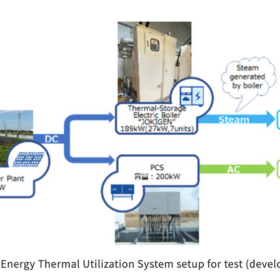
Storing surplus PV power with thermal storage electric boilers
Tokyo-based heavy industry manufacturer IHI Corporation has created a thermal utilization system that can convert surplus direct current power at solar plants into carbon-free steam. A test project that commenced in April has used all generated electricity and is operating stably, the company says.

Taiwan improves PPA rules for renewables
The Taiwanese government has introduced a new, favorable framework for renewable-energy power purchase agreements (PPAs). Large energy consumers are no longer required to buy the entire output of large-scale facilities.
