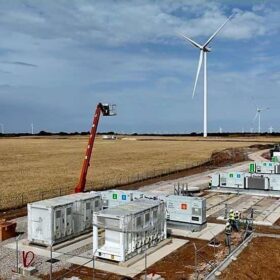
High PV curtailment expected in Spain through 2027
Aurora Energy Research says uncompensated PV curtailment will remain elevated in 2026 and 2027, reaching 3.05 TWh next year and 3.38 TWh in 2027, as grid constraints persist despite planned reinforcements.
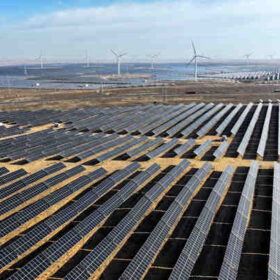
CHN Energy switches on 2 GW solar plant at coal-mining subsidence area
The PV facility transforms a coal-subsidence zone into one of China’s largest utility-scale solar and transmission hubs. It is part of a 6 GW solar cluster, of which 4 GW are now operational.
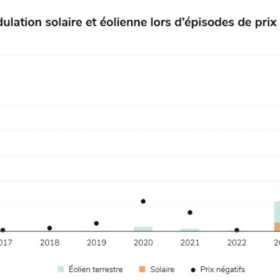
PV curtailment surges in France as grid adapts to rising solar output
French grid operator RTE says almost 3 TWh of renewable energy was curtailed in 2025, driven by higher solar output and more frequent negative-price market periods.

India expected to install about 42.5 GW of new solar capacity in 2026
India installed around 37.8 GW of solar capacity in 2025, according to JKM Research. This comprised about 28.6 GW of new utility-scale solar, a 54.6% increase from 2024, and 7.9 GW of rooftop solar, up 72% year on year. Off-grid additions stood at 1.35 GW, compared to 1.48 GW in 2024.

The Hydrogen Stream: ACES 220 MW Utah project nears completion
HydrogenPro says its 220 MW ACES Delta project in Utah is nearing completion, with all electrolyzers operating at full load, while the hub will store hydrogen in salt caverns with energy capacity two to three times that of all US grid-connected batteries combined.
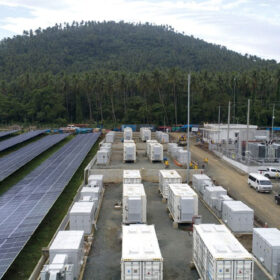
Philippines mandates energy storage for renewables plants over 10 MW
Department of Energy (DOE) order sets out new rules for mandatory energy storage, including a minimum capacity of at least 20% of the generating plant’s installed capacity. DOE also calls for energy storage systems (ESS) installations to have grid supporting capabilities, such as grid-forming inverters to help stabilize voltage and frequency.
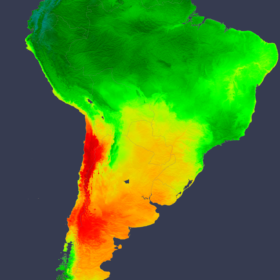
Tropical downpours cut northern irradiance as southern heat lifts sunshine in South America
In a new weekly update for pv magazine, Solcast, a DNV company, reports that January in South America featured dramatic weather contrasts with persistent floods and cloud cover in northern regions sharply reducing solar irradiance, while extreme heat, drought and wildfires in the south boosted sunlight yet also generated aerosol smoke that complicated irradiance outcomes. Severe storms, tornadoes and industrial fires further punctuated the month’s highly variable irradiance patterns across the continent.

Greece to open applications for 130 MW agrivoltaics plan
Greece’s distribution grid operator will begin accepting applications for agrivoltaic systems on March 4, marking the first step in implementing a new law targeting 130 MW of capacity nationwide.

New model reveals pathway for land-efficient U.S. solar expansion
McGill University researchers used deep-learning computer vision to analyze 719 solar projects across the Western U.S. The study establishes a new “land-sparing” benchmark, providing developers with precise data to balance rapid capacity expansion with conservation and land-use priorities.
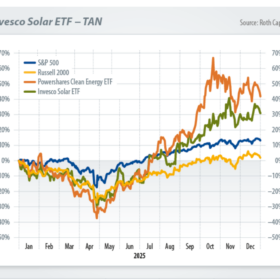
The future of solar is unwritten
Whatever decision the U.S. Department of Commerce makes on polysilicon imports, some market segments are in for a bumpy ride in 2026 as the expiration of tax credits and other policy levers change the trading environment faced by residential installers and others. Jesse Pichel and Lev Seleznov of Roth Capital assess what lies ahead for U.S. solar.
