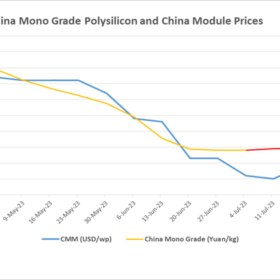
Prices of China’s PV upstream segments rise, module prices hold steady amid bearish sentiments
In a new weekly update for pv magazine, OPIS, a Dow Jones company, provides a quick look at the main price trends in the global PV industry.

Maxeon to build 3 GW TOPCon cell, module plant in New Mexico
Maxeon is set to invest $1 billion in the construction of a 3 GW TOPCon cell and module plant in the United States.
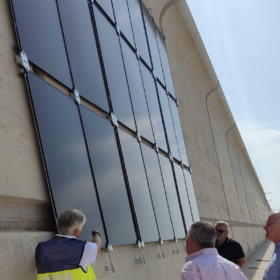
Vertical PV for breakwaters
The port of Valencia, Spain, is assessing the performance a vertical PV wall featuring 21 solar modules, with 8.6 kW of total capacity. A successful pilot project could pave the way for a larger vertical PV system on the port’s breakwaters.

Brazil imported 7.8 GW of solar modules in H1
Brazilian consultancy Greener says that Brazil imported 7.8 GW of solar modules in the first half of this year, down 21% year on year. However, it says a reduction in distributors’ inventories and module prices could drive up cost competitiveness in the second half.
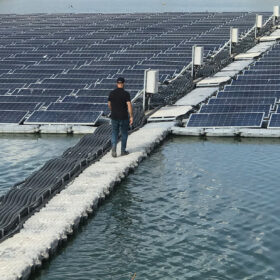
Novel fins increase floating PV productivity, reduce LCOE by over 17%
A group of researchers in Egypt studied the use of partially submerged angle perforating fins (PSAPF) and solid fins (PSASF) to assess their ability to remove excess heat from floating photovoltaics under Mediterranean outdoor environments. The team found that the optimized PSAPF-FPV module achieved an LCOE of $0.068/kWh).
Five core challenges of the European solar photovoltaics research and innovation
In its latest monthly column for pv magazine, the European Technology and Innovation Platform for Photovoltaics (ETIP PV) presents its Strategic Research and Innovation Agenda (SRIA), published in collaboration with the European Energy Research Alliance for PV (EERA-PV).
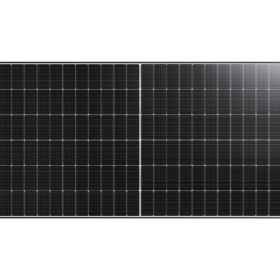
Winaico releases 525 W TOPCon solar panels
Taiwanese manufacturer Winaico has developed new 525 W TOPCon solar panels with a power conversion efficiency of 22.1% and a temperature coefficient of -0.30% per degree Celsius.
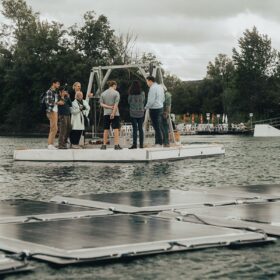
Floating PV for waterparks
Prefabricated floating solar PV provider Sunlit Sea, based in Norway, has provided its floaters for a 60 kW floating array installed at a waterpark in Germany.
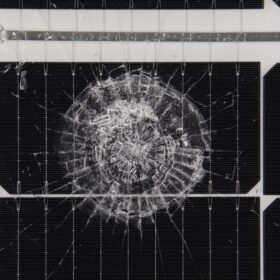
Hail-prone areas may require solar modules with 4 mm-thick front glass
New research from India claims solar modules with 3.2 mm-thick front glass may not be strong enough to withstand storms producing big hailstones. The scientists found that a front glass of at least 4 mm should be used to avoid significant damage.
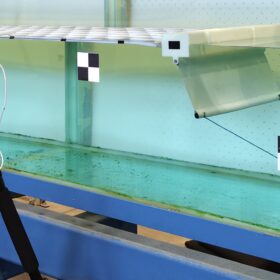
New mooring system for offshore, coastal floating PV arrays
The novel mooring solution consists of perimeter pontoons, barriers, clump weights, mooring lines and anchors. Its creators claim it is cheaper in materials and maintenance, as well as more wave-stable, compared to mooring systems using elastic cables.
