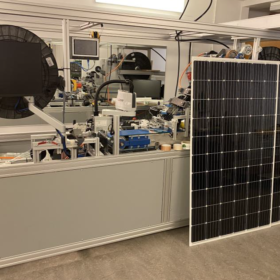
Sticking together
A cell interconnection method developed by a Swedish company promises lower-cost and higher-throughput production of PERC and more advanced silicon PV modules. The process is ready to move to pilot production, and its creators want to play a role in the anticipated European solar manufacturing renaissance.
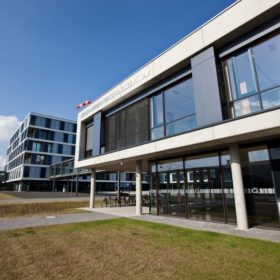
Q Cells commits to three-year, €125m German R&D spend
The Korean company has committed to invest in solar innovation in Germany at a time when the EU and member states are desperately trying to kick-start the Covid-19 recovery.
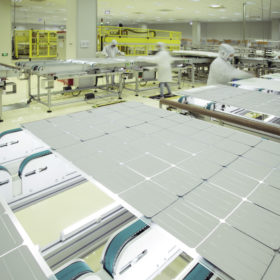
Chinese PV Industry Brief: Longi to grow by 10 GW, China opens world’s largest floating PV project
Plus, equipment manufacturer Shangji Automation is set to enter the silicon ingot making game with plans for an 8 GW fab, while state-owned developer Panda Green says it plans to add 500 MW of annual project capacity over the next three years.
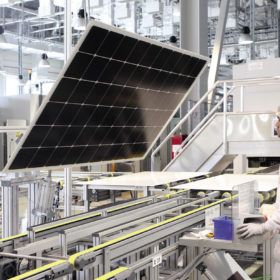
Russian solar manufacturer goes green
Hevel Group has announced it will source all the 65 GWh required annually to run its Novocheboksarsk factory from renewables sources via the wholesale market.
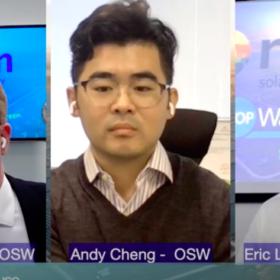
Chinese-made HJT hitting Australian rooftops
Risen Australia and distributor One Stop Warehouse signed an expanded 150 MW distribution deal last week, marking the Chinese manufacturer’s latest attempt to expand in the rooftop segment. With Risen’s new heterojunction module, the 415-435 W Sieger, now moving into mass production, One Stop Warehouse’s Leo Ye welcomed the “new, fresh” tech.
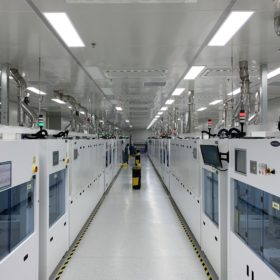
Jetion Solar completes 2 GW site
The Chinese state-owned manufacturer has started operations at its 1 GW mono PERC cell line after installing a 1 GW module fab last year.

India will add just 50 GW of solar in the next five years, according to company bosses
The expected return would leave the nation woefully short of its ambitious 175 GW clean energy target, which was laid down with a 2022 deadline. Chief executives who criticized aggressive clean power auctions said they would like to see more fossil fuel facilities thrown into the mix.
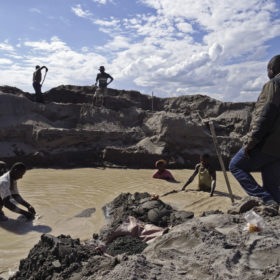
The weekend read: Adding blockchain to battery supply chains
Responsibility in battery supply chains has become a growing focal point over the last few years and will remain a key theme as demand for mobile phones, electric vehicles, and alternative forms of energy continue to increase. Alexander Preston from SAFE sets out how the application of blockchain technology can deliver visibility, build trust, and facilitate the battery sector’s digital transformation.
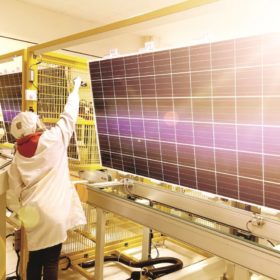
Chinese PV Industry Brief: Canadian Solar joins 500 W+ club, Trina to supply nearly 1 GW
Canadian Solar has unveiled its newest line of PV modules, with maximum power ratings of up to 590 W. Trina Solar, meanwhile, has signed a deal to supply PV modules for almost 1 GW of capacity throughout the world.

Covid-19 weekly round-up: Module prices fall as big solar starts to recover in Germany
Plus, there is hope of a bright new dawn with proposed legislative changes in Europe and the U.S. even as the solar equipment industry hits new lows and cyber attacks reportedly increase in frequency.
