
‘Garbage in, garbage out’ – solar industry debates reality of AI
Artificial intelligence can accelerate the planning, construction, and operation of photovoltaic systems, as shown at the recent Solar Quality Summit in Barcelona, Spain. But its effectiveness depends on data quality, as poor data, unclear responsibilities, and weak documentation can become major cost drivers.
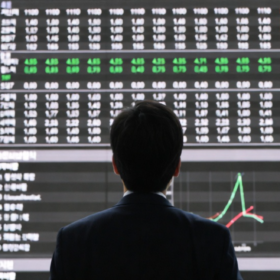
South Korea to invest $223 million in next-generation distributed grid
The South Korean government has announced plans to invest KRW 321 billion ($222.6 million) in 2026 to upgrade regional distribution networks, deploy 85 energy storage systems, and expand solar integration while piloting microgrids and market reforms.
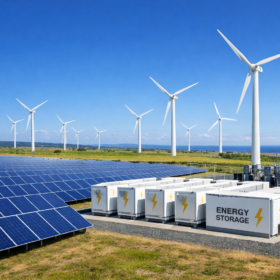
California batteries sustain near 24-hour solar run
On Feb. 1, California’s batteries bridged the solar gap with seamless precision. After discharging through the night until sunrise, they spent the daylight hours charging, then pivoted back to exporting power well past midnight – effectively sustaining the state on solar energy for a full 24-hour cycle.
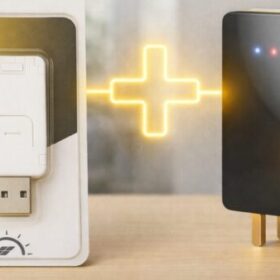
French startup launches ‘universal’ home energy management system
PvPilot has introduced a home energy management system (HEMS) designed to be compatible with all major brands of solar equipment, targeting France’s fast-growing residential self-consumption market.
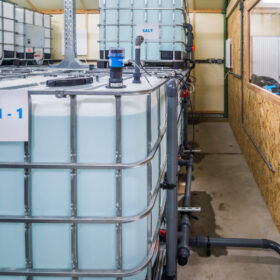
Long-duration storage as an antidote to grid congestion, renewables curtailment
RenewaFLEXNL, a three-year Dutch initiative led by TNO, aims to accelerate long‑duration energy storage (8–100 h) to reduce grid congestion and better integrate renewable energy. pv magazine spoke with the project coordinator, Iraxte Gonzalez Aparicio, about diverse storage technologies, real-world applications, regulatory guidance, and energy management system tools to support large-scale solar‑plus‑storage deployment in the Netherlands and beyond.
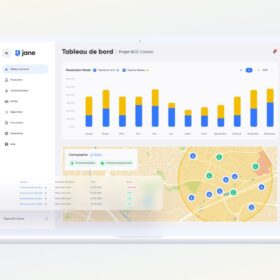
French startup launches app to boost collective self-consumption
French startup Jane Energie has introduced a software platform to automate and manage collective self-consumption projects, targeting 100 kWp to 500 kWp installations as the segment moves from feed-in tariffs toward shared local consumption models.
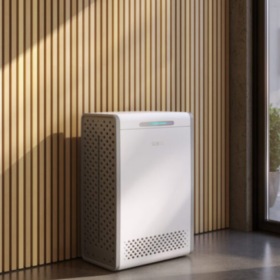
EnBW seeks investor for Senec to fund growth
EnBW says it is seeking a new investor for its Senec storage subsidiary Senec to support further growth, though the company could remain wholly owned. The search comes after a comprehensive restructuring and aims to fund expansion in software, hardware, and international markets.
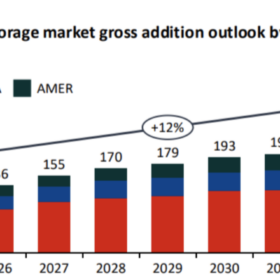
Global BESS capacity tops 250 GW, overtaking pumped hydro for first time
Rystad Energy says it expects global battery energy storage system (BESS) additions to exceed 130 GW/350 GWh in 2026, led by China, the United States, the United Kingdom, Australia, and Germany.
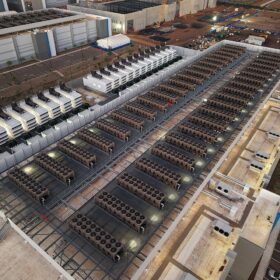
Battery management systems key to deploying batteries in data centers
A new study highlights the critical role of advanced AI-integrated battery management system technologies in monitoring, optimizing, and predicting battery performance for reliable and sustainable data center operations.

Data center survey reveals majority believe renewables and BESS are the ideal energy mix, power issues start in 2027
54% of respondents cited “energy availability and redundancy” as the single greatest obstacle to successful data center development between now and 2030.
