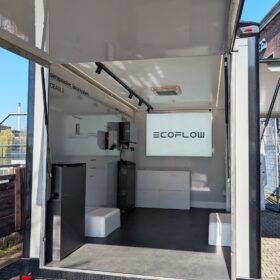
A closer look at EcoFlow’s three-phase Ocean 2 storage solution
Ocean 2 brings a more versatile large-scale and expandable, modular home storage solution, capable of handling both small and large solar PV input.

How to operate PV-driven residential heat pumps under time-varying tariffs
Researchers in the United Kingdom developed a scheduling model for residential heat pumps that reduces electricity costs while maintaining thermal comfort under dynamic tariffs and uncertain rooftop PV generation. It optimizes when to use grid power, PV energy, and building thermal storage.
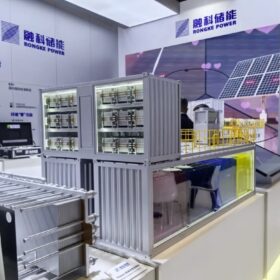
Rongke Power debuts 2 MW/8 MWh vanadium flow battery storage system
The Chinese company says the new product targets long-duration storage, grid support, and GWh-scale deployment.
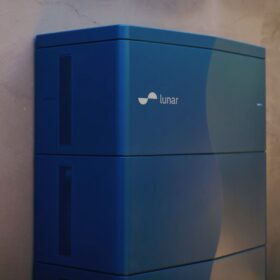
Control, not capacity, could be the next driver of US residential storage investment
Investors are shifting focus from deployment growth to platforms that can orchestrate and monetize battery fleets.
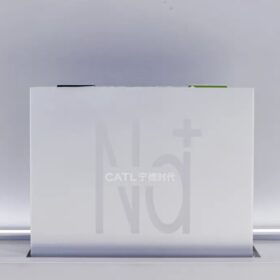
A closer look at CATL’s new sodium-ion battery
The battery manufacturing heavyweight presented its latest sodium-ion products at ESIE 2026 earlier this month, expanding its push into grid-scale storage, AI data centers, and long-life applications.

Samsung launches residential air-to-water heat pump reaching SCOP of up to 4.9
The Korean manufacturer said its new heat pump system can achieve a seasonal coefficient of performance of up to 4.9 under low-temperature floor heating conditions, and approximately 3.78 under higher-temperature operation at 55 C.
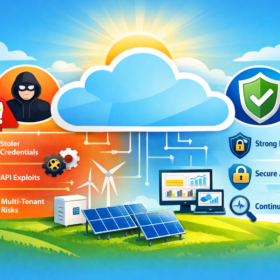
Cyber threats for PV: What are cloud platform and software-as-a-service exploitation attacks and how do they work
Cloud and SaaS platforms are now central to PV plant operations, but their centralization creates a high-impact cybersecurity risk where a single compromise can expose or disrupt entire fleets of installations. Attackers exploit weaknesses like stolen credentials, insecure APIs, multi-tenant flaws, and platform vulnerabilities, making strong identity controls, secure APIs, and continuous monitoring essential defenses.
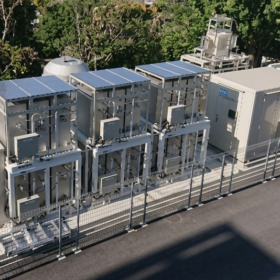
Low-pressure hydrogen bridges seasonal gaps in solar-powered Japanese building
Taisei Corporation has demonstrated that a building can operate entirely on solar power by combining PV generation with a hybrid storage system integrating batteries and low-pressure hydrogen at a test facility in Yokohama. An EMS-enabled setup using lithium-ion batteries and PEM electrolysis balanced short- and long-term energy supply and demand, enabling year-round renewable operation, according to the company.

The Hydrogen Stream: Levelized cost of hydrogen at Mediterranean ports can be as low as €2.5/kg for hybrid systems
A study from the University of Naples Federico II finds hydrogen production at Mediterranean ports could cost €5.7–8.6/kg using only renewables and €2.5–13/kg in hybrid systems, with solar emerging as the most reliable resource and wind outperforming it in select locations. Alongside these findings, major industry developments include new hydrogen and e-fuel projects, advanced electrolyser technologies, and EU-backed infrastructure expansion supporting large-scale decarbonization.
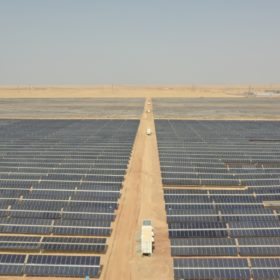
Inside the financing of Egypt’s largest solar‑plus‑storage project
Norwegian developer Scatec ASA has commissioned the first phase of the 1.1 GW Obelisk solar and battery energy storage system (BESS) project in Egypt, backed by $479.1 million in development finance institution (DFI) debt and a fully contracted storage revenue model.
