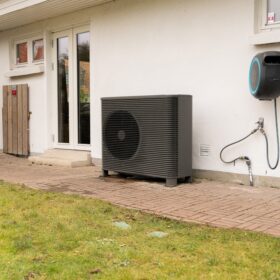
A closer look at Aira’s heat pump tech
Swedish manufacturer Aira launched its heat pump in Europe in 2024. The company told pv magazine it is now developing a full home energy management system proposition to integrate heating, solar, battery energy storage and electric vehicle charging.

Philippines’ green energy auction heavily oversubscribed with nearly 7 GW of pumped hydro bids
The country’s Green Energy Auction (GEA-3) attracted a cumulative 7.5 GW of projects, far surpassing the 4.65 GW installation target.
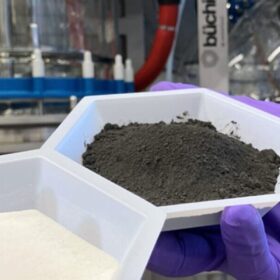
German project for fast industrial implementation of sodium-ion battery technology
Cheap, safe, widely available sodium could be used for battery energy storage alongside photovoltaics. The Sodium-Ion-Battery Germany (SIB:DE) Research project is investigating whether sodium-ion technology can be affordably integrated into lithium-ion battery production facilities.

Cyprus introduces energy storage subsidy scheme
Cyprus’ Ministry of Energy, Commerce and Industry has launched a subsidy scheme for energy storage systems paired with existing renewable energy plants. Eligible projects will be remunerated by feed-in tariffs (FiTs) or net billing systems.

Solar thermal developer ticks off final technology milestone
Vast Renewables has successfully completed large-scale testing of a concentrated solar thermal power receiver tower destined to be deployed as part of a 30 MW / 288 MWh solar and energy storage project planned for South Australia.
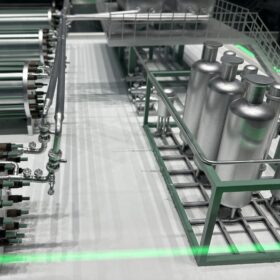
The Hydrogen Stream: TalusAg starts green ammonia production in Iowa
Landus and TalusAg have launched commercial green ammonia production in Iowa, backed by US federal clean hydrogen tax credits, while Iberdrola España and BP have started building Spain’s largest green hydrogen project, with 25 MW of capacity.

US startup developing defrost-free residential heat pump for cold climates
TerraVis Energy claims its new heat pump system can achieve a seasonal coefficient performance of 3.5 and deliver 30 C of heat indoors at -50 C. CEO Lorenzo Rossi told pv magazine that the system could be produced at a lower cost than conventional models.
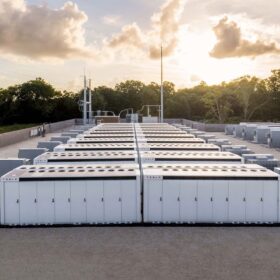
Tesla begins production at Shanghai Megapack Factory amid intensifying price war
Tesla’s first overseas energy storage plant starts operating as global competition from Chinese firms and pricing pressures mount.

Panasonic launches decentralized water-to-air heat pumps
The Aquarea Loop heat pump system is intended for applications in residential and commercial buildings. It features a coefficient of performance of up to 5.9 and heating capacities ranging from 1.10 kW to 3.10 kW.

Transport costs are a crucial factor for the future of the green e-methanol market in Europe
Hard-to-abate segments in the energy transition, such as the chemical industry and marine transportation, require electricity-based e-methanol in large quantities. The transport costs could be a key factor in determining the best locations for future green e-methanol projects.
