
Greek utility completes 2.13 GW solar cluster at former coal mine
Greece’s PPC Group has finished construction of its 2.13 GW solar portfolio in northern Greece. The company is now working on its third large-scale battery storage facility in the area, with plans for two pumped-hydro storage projects also progressing.

Greece installs 1.9 GW of PV capacity in 2025
Greece installed around 1.9 GW of new solar capacity in 2025, bringing total installed solar capacity to roughly 11.5 GW, according to industry estimates.
Aroma Solar launches 1.2 GW module factory in India
Aroma Solar has opened a 1.2 GW tunnel oxide passivated contact (TOPCon) module facility in in the northern Indian state of Haryana, using automated production and AI-based quality control.
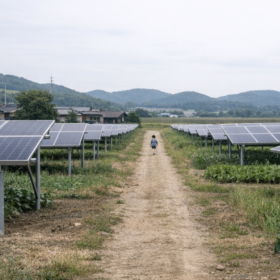
Croatia tenders 56 MW solar-storage project
Croatian power company Hrvatska Elektroprivreda is seeking a developer to build a 56 MW solar power plant tied to up to 200 MWh of battery energy storage. The deadline to submit expressions of interest is May 12.

GCL Optoelectronic targets 2026 IPO, US plant, space solar rollout
GCL Technology says its GCL Optoelectronic subsidiary plans a Hong Kong initial public offering (IPO) in 2026, alongside a potential 500 MW factory in the United States and a roadmap for space-based solar.
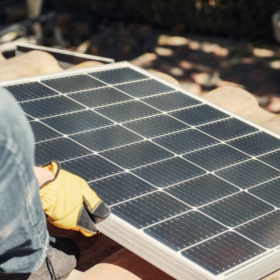
Colorado House passes legislation to legalize plug-in solar for renters
The Colorado House of Representatives has passed a bill to legalize plug-in solar systems for renters and multifamily residents, establishing a regulatory framework for portable arrays that connect directly to standard home outlets.

South Australia opens up new areas for renewable energy opportunities
South Australia has opened up more than 11,000 square km of land for the potential development of renewable energy projects as it continues the march to its target of 100% net renewables by 2027.

Maxeon files for restructuring in Singapore
Company statements in a filing with the U.S. Securities and Exchange Commission indicate it will seek an arrangement between itself and creditors that may allow it to survive “as a going concern.”
Solar, mining groups partner to improve mineral traceability
The Solar Stewardship Initiative (SSI) and the Initiative for Responsible Mining Assurance (IRMA) have signed an agreement to strengthen traceability and sustainability standards across solar supply chains.

‘Photovoltaics are, first and foremost, about energy security’
In an interview with pv magazine, Carolina Novac, Secretary of State at Moldova’s Ministry of Energy explains how the country raised its solar capacity to 1 GW while advancing wind, storage, and regulatory reforms to strengthen energy security and reach 30% renewables by 2030. The Moldovan government is now focusing on scaling BESS, modernizing the power market, and enhancing cybersecurity through stronger policies and international cooperation.
