
Solar and the cyber winter
In an interview with pv magazine, cybersecurity expert Roberto Setola describes a structural shift in cyber threats against solar energy infrastructure, where attacks now target peripheral systems like remote terminal units rather than centralized SCADA, often in coordinated campaigns amplified by AI. He also emphasized that the recent cyberattack to PV plants in Poland demonstrated how simultaneous strikes on smaller, less-protected operators can potentially trigger major disruptions, including blackouts, economic losses, and cascading grid risks.

Reliance Industries, Samsung C&T sign $3 billion green ammonia supply deal
Reliance Industries has signed a 15-year green ammonia supply agreement with Samsung C&T Corp., marking one of the largest long-term offtake deals globally.

Morocco finally unlocks solar self‑consumption
Morocco has published the implementing decree for Law 82‑21, enabling self-producers to consume their own solar power and sell up to 20% of surplus energy back to the grid. The measure, effective 9 June 2026, sets clear tariffs and grid limits.
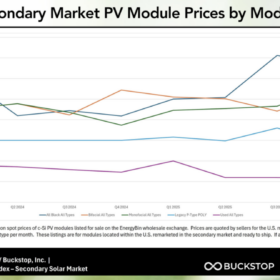
Low new module prices stall growth in secondary solar market
Data from EnergyBin and Buckstop shows used solar modules made up just 1% of resale listings in 2025, as falling prices for new panels weaken reuse economics.

Japan sets FIT terms for small PV, rooftop solar as large-scale auctions end
The Japanese government has set 2026 feed-in tariff (FIT) terms for solar below 250 kW, set the renewable energy levy at JPY 4.18 ($0.026)/kWh, and confirmed that feed-in premium (FIP) auctions for large-scale solar will end after 2026.
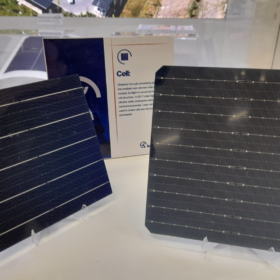
Spanish researchers develop ultra-thin solar cells for any surface
The Silicon and New Concepts for Solar Cells (SyNC) research group at the Institute of Solar Energy (IES) of the Polytechnic University of Madrid (UPM) has produced high-efficiency two-dimensional solar cell prototypes using the “hot-pick-up” technique, with simulations suggesting the cells could meet up to 30% of a building’s energy needs when applied to facades.

Pakistan’s solar boom is bigger than official data shows
Pakistan’s Renewables First has explored the implications of a lack of official data collection from the country’s distributed solar market segment, which is estimated to have reached over 24 GW of installed capacity by the middle of last year.

Japan finances 130 MW solar project in Tunisia
The latest round of Japan’s carbon financing program, which provides financial support for low-carbon infrastructure projects in partner countries, is backing a 130 MW solar project being built in southeastern Tunisia.

What happens when malware hits PV systems
A random malware variant affected about 800 remote monitoring devices at ground-mounted PV plants in Japan in May 2024. Tokyo-based cybersecurity firm Girasol Energy has told pv magazine what happened and how PV asset owners can protect themselves against such incidents.

India extends solar manufacturing mandate to wafers and ingots
India’s Ministry of New and Renewable Energy (MNRE) has expanded its Approved List of Models and Manufacturers (ALMM) framework to include solar ingots and wafers, with mandatory compliance for new project bids taking effect from June 1, 2028.
