
China moves to curb solar overcapacity, stabilize pricing
China’s top industry officials have vowed to curb low-price competition and excess capacity in the solar sector, as authorities begin implementing measures aimed at stabilizing supply chains and rebalancing the market.
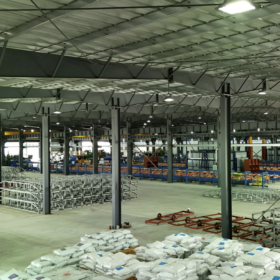
Indian manufacturer opens solar frame factory
H&H Aluminium Pvt. Ltd. has opened a new solar panel frame manufacturing plant in India, with an annual production capacity of 24,000 metric tons.
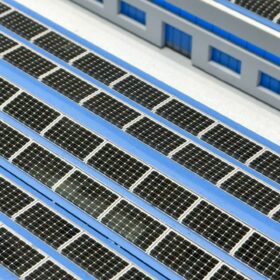
US state unanimously passes bill for automated solar permitting
New Jersey lawmakers have unanimously approved legislation to remove solar permitting bottlenecks, marking a rare legislative success in the United States, as similar efforts in other states have fallen flat this year.
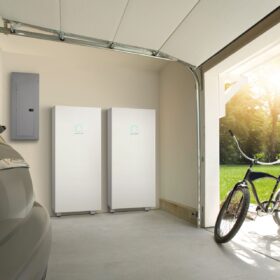
Spain pairs battery storage with 26% of new rooftop PV systems in 2024
Around one-quarter of all new rooftop PV systems installed in Spain in 2024 included battery storage, underscoring continual growth in distributed energy, despite a decline in total installed storage capacity.
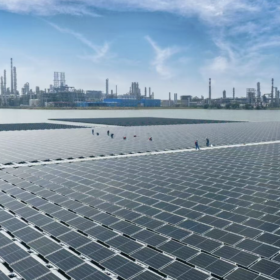
Sinopec launches China’s first commercial offshore floating PV project
Sinopec has commissioned a 7.5 MW offshore floating solar project in full seawater conditions in China.

World’s largest vanadium flow battery goes online in China
A giant solar-plus-vanadium flow battery project in Xinjiang has completed construction, marking a milestone in China’s pursuit of long-duration, utility-scale energy storage.

‘In engineering, women remain markedly underrepresented’
This week Women in Solar+ Europe gives voice to Maria Ardila, construction engineer at UK-based Cubico Sustainable Investments. She says that progress remains slow in the energy industry because gender matters are often viewed as personal choices rather than the systemic issues they truly are. “Until society challenges the outdated norms and organizational structures that penalize mothers, meaningful advancement toward gender equity in leadership will continue to be constrained,” she states.
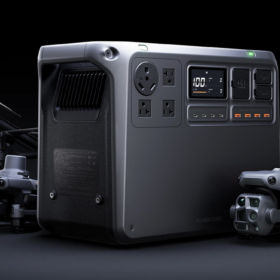
DJI debuts 2 kWh Power 2000 battery
DJI previously offered a Power 1000 battery, released in 2024, but the company’s new Power 2000 model is uniquely compatible with its ecosystem, plus expansion batteries.
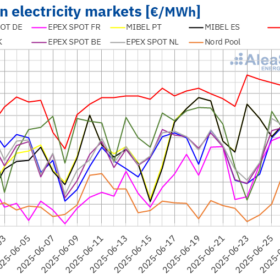
Italy, Portugal, Spain break daily solar production records
AleaSoft Energy Forecasting’s latest analysis finds weekly average electricity prices dropped across most major European markets last week, driven by lower gas and CO2 emissions prices and in some cases, an increase in solar energy production.
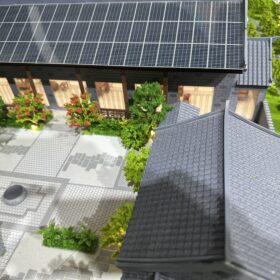
Eastern European prosumers acting in ‘energy self-defense’
New research on the PV markets of the four countries forming the so-called Visegrad Group has confirmed that solar prosumers are driven primarily by economic interests rather than environmental concerns. The scientists coined the concept of “energy self-defense” to define all those behaviors that push homeowners to resort to PV in attempt to address price shocks.
