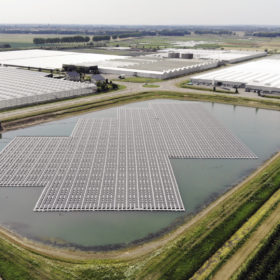
Floating PV driving solar growth in Indian state of Odisha
The state, which is aiming to hit 2.2 GW of solar within two years, has received a Solar Energy Corporation of India proposal for 500 MW of floating project capacity even as it approves a 40 MW water-borne array put forward by the national solar body. The 500 MW suggested comes on top of a similar scale of floating PV planned across the state by public hydropower company NHPC.
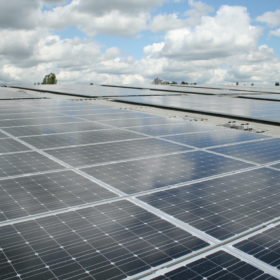
Chinese PV Industry Brief: 1 GW of distributed solar came online in August
More than 1 GW of subsidized small solar arrays were installed in China last month alone and manufacturer Suntech has announced the start of operations at its 500 MW Indonesian cell and module fab.
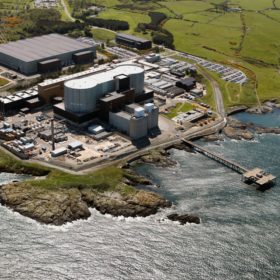
Hitachi halts 5.8 GW of UK nuclear plans
With the Japanese conglomerate this week walking away from two new nuclear plants in the United Kingdom, project developer Horizon Nuclear Power has confirmed all activities at both sites will cease. The facilities had struggled to secure funding despite offers from government. Horizon said it will ‘keep lines of communication open’ regarding the future of the sites.

California introduces new net metering regime
The state’s new net metering is a highly anticipated, high-stakes proceeding. It will effectively modify the rules for the net metering tariff in California, which is arguably the most important policy mechanism for customer-sited solar of the last decade.
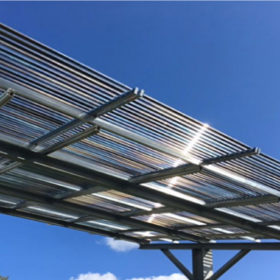
Thin-film agrivoltaic solar tubes
German tech company Tube Solar AG has secured €10.8 million to develop its cylindrical agrivoltaic modules. The lightweight devices could also be used on roofs until now considered unsuitable for PV.
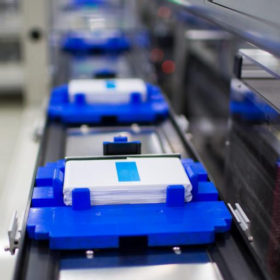
National lithium-ion battery supply chains ranked
Analysts at Bloomberg New Energy Finance have quantified the influence of markets around the world. The ranking supplies a snapshot of 25 countries and also offers a five-year outlook.

French government considers cutting pre-2011 FITs
Financial newspaper Les Echos claims the government is mulling a renegotiation of historic feed-in contracts after the Court of Auditors in 2018 ruled the incentives too generous.

South Africa to tender 6.4 GW of solar and wind, 513 MW of storage and 4.5 GW of conventional generation
The country’s regulator has approved a government plan to tender for 11.81 GW of power generation capacity on top of the 2 GW tender opened last month.
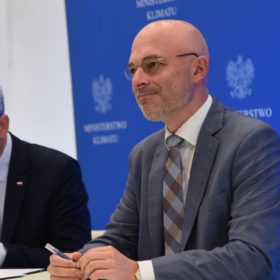
Polish solar manufacturers unite to compete with imports
Businesses, supported by the government, will join forces to strengthen their industry and contribute to the European Green Deal through made-in-EU products.
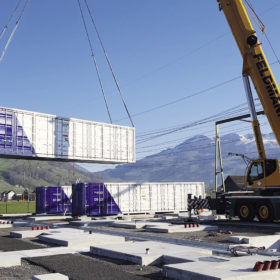
Bangladesh set to embrace gas, rather than renewables
A national energy strategy which prioritizes coal is being ripped up just two years after its introduction, thanks to Covid-related slumps in demand, but legislators appear likely to look to gas, rather than solar and wind power as an alternative, due to land issues and energy storage costs.
