
Guatemala opens 1.4 GW energy auction
Guatemala has launched a 1.4 GW energy auction for renewable and low-emission projects to secure 15-year capacity contracts starting in 2030.

‘Most personal protective equipment is made to fit men’
This week Women in Solar Europe (WiSEu) gives voice to Canan Koç Yasar, VP HSSE-S at Germany’s Uniper Renewables. She says that policies and practices that shape workplace safety, health, and security are mostly intended to satisfy men’s needs and stresses the importance of designing workplace systems that reflect the realities of everyone on the team.
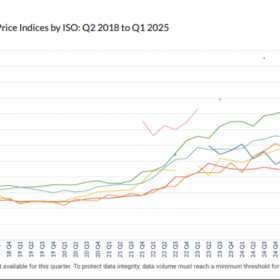
North American solar PPA market remains stable in Q1 2025
Solar power purchase agreement (PPA) prices in North America held steady in the first quarter of 2025, averaging $57.04/MWh, up 1% from the previous quarter, says LevelTen Energy.
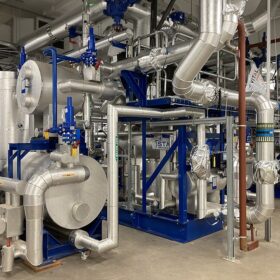
Ireland issues tender to stimulate limited industrial heat pump market
Government-run Sustainable Energy Authority of Ireland (SEAI) is tendering for the provision of technical and advisory support services for its grant programs aimed at organizations in Ireland planning to decarbonize. The tender follows a report by the SEAI that showed Ireland has a limited market for industrial heat pumps and called for greater outreach and support for businesses to install the technology.
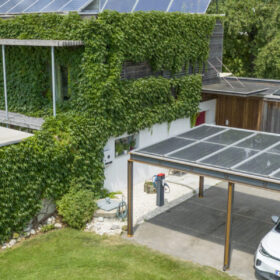
Austria launches €60 million rebate program for rooftop PV in 2025
Austria has opened applications for its €60 million ($68.3 million) rooftop PV rebate program for 2025, with a second-round “Made in Europe” bonus offering 20% more funding for projects using European-made components, says OeMAG.
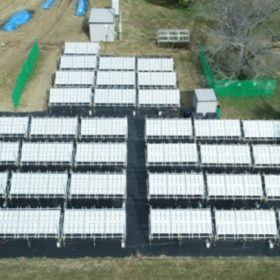
Japan launches subsidy program to cut costs of renewable heat systems
The Japanese government says it has opened applications for a subsidy initiative aimed at cutting costs for renewable heat and industrial waste heat systems. The program supports equipment upgrades that lower emissions and improve energy efficiency.

US solar industry to add 502 GW (DC) of capacity in next decade
Wood Mackenzie warns that policy uncertainty could significantly alter its projections for US solar industry growth. The research firm says the US solar industry will add 502 GW (DC) of capacity over the next decade, with annual installations surpassing 40 GWdc through 2035.
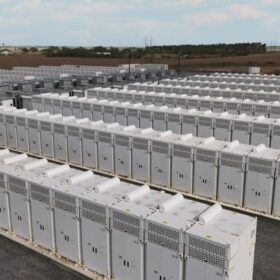
Tariff uncertainty grips US battery development
The Trump administration’s China tariffs have piled atop existing and developing trade barriers on battery energy storage systems, components, and materials – destabilizing the US energy storage industry. While existing inventories will allow project development to move forward in the short term, uncertainty extends across the supply chain, including to prospective manufacturers.

Research shows how Japan’s PV market suffered from high feed-in tariffs
A team of researchers based in Japan and Sweden have found a correlation between higher feed-in tariffs and increased capital expenditures of solar projects in Japan. They suggest this may have led to a lack of incentive for developers to innovate or reduce costs, in turn inflating expenditure and hindering long-term market competitiveness.

Germany allocates 2.63 GW in latest utility-scale PV tender
Germany’s latest auction for utility-scale solar concluded with prices ranging from €0.0399 ($0.0455)/kWh to €0.0488/kWh. The procurement exercise was significantly oversubscribed.
