
Mozambique relaunches 30 MW solar tender in EU-backed program
Mozambique’s energy regulator has reopened pre-qualification for a 30 MW solar project in Sofala province, after a previous award to Total Eren under the same program in 2022.

EU hydrogen mechanism connecting supply and demand activates hundreds of projects
The first operational round of the EU Hydrogen Facility matched 265 supply-side opportunities with 45 demand projects, with 87% of offers receiving at least one expression of interest and half attracting multiple buyers.
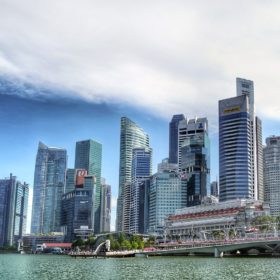
Singapore requires hydrogen-ready gas capacity in 2031 generation tender
Singapore’s Energy Market Authority (EMA) has made hydrogen readiness a mandatory requirement in a new request for proposals for at least 600 MW of gas-fired generation capacity, with proposals that do not meet cardinal requirements disqualified from evaluation.
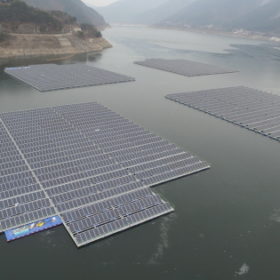
South Korea plans 3 GW of reservoir floating solar by 2030
Korea Rural Community Corp. (KRC) says it plans to increase floating solar capacity on agricultural reservoirs to 3 GW by 2030, from 105 MW currently in operation.

Installed BESS capacity in Spain grew by 589% since 2025 blackout
Some of the consequences of the blackout include a 589% increase in installed BESS capacity in Spain between April 2025 and April 2026, the introduction of renewable participation in voltage control, a greater role for gas in the generation mix, and continued progress on interconnections.

India launches 500 MW renewables tender requiring dispatch via power exchanges
Solar Energy Corporation of India has invited proposals to set up interstate transmission system (ISTS)-connected renewable energy projects for assured peak power supply of 1,500 MWh (500 MW for three hours) under a contract-for-difference (CfD) mechanism.
The battery cost disconnect
For years, the battery energy storage (BESS) story has followed a familiar script: costs fall, deployment accelerates, economics improve. Even when cell costs rose and system prices briefly flattened during the 2021-22 lithium price spike, the narrative largely held. Paola Perez Peña, senior principal analyst at S&P Global Energy, examines why the latest jump in lithium prices has only had limited impacts on overall BESS costs so far.

China tightens carbon accountability framework, strengthening structural push for renewables
Beijing has introduced a stricter national carbon evaluation system that formally holds provincial governments accountable for emissions reduction and energy transition targets.

Bangladesh launches 495 MW solar tender
BPDB has launched a tender for 495 MW of grid-tied solar power projects across 10 sites in Bangladesh, with capacities ranging from 25–100 MW and full private investment required. The bid structure, which places land acquisition and financing risks on developers, has drawn investor concerns over bankability and limited project attractiveness.

Pakistan plans to scrap licensing fee for PV systems up to 25 kW
The move seeks to reverse aspects of the Nepra Prosumers Regulations 2026, which centralized approvals and is creating delays and financial barriers for rooftop solar adoption.
