
RenewSys launches reel-format sheet encapsulants for junction box, busbar insulation in solar modules
The Indian PV manufacturer has launched Conserv Augmensheet, a sheet encapsulant for insulation and sealing of busbar and junction box areas in solar modules. Supplied in reel format, the product supports automatic feed-in on fully automated module manufacturing lines, reportedly enabling higher productivity and consistent processing for solar module production.
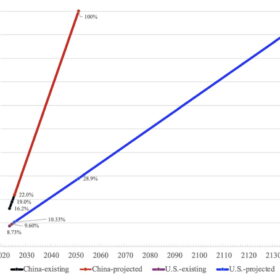
US would reach 100% renewable energy by 2148 at current pace
China is on track to reach a fully renewable energy system by 2051, nearly a century earlier than the United States, according to a global study covering 150 countries.
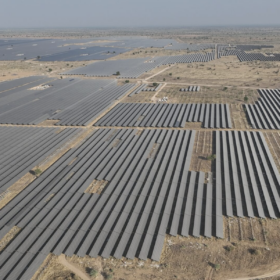
India’s solar capacity additions on track in 2025, says SBICAPS
India added an estimated 40 GW of solar capacity in calendar year 2025, driven by utility-scale projects and rooftop growth. Energy storage tendering also picked up pace.

China to abolish solar export tax rebates in April
China will scrap value-added tax export rebates for PV products from April 1, 2026, while cutting battery rebates ahead of a full phaseout, raising export costs for manufacturers and potentially pulling shipments forward into early 2026.
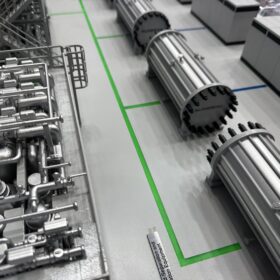
The Hydrogen Stream: RWE commissions 100 MW hydrogen electrolyzer
RWE has started commissioning a 100 MW electrolyzer in Germany to supply renewable hydrogen under long-term contracts, while Hydrogen Utopia International and Hydrogen Systems are advancing plans to build waste-to-hydrogen plants in Saudi Arabia.

Malaysia launches new net metering scheme for rooftop PV
Effective since January 1, 2026, the Solar Accelerated Transition Action Programme (Solar ATAP) aims to build on Malaysia’s previous net metering program’s efforts to maximize the use of rooftops for solar generation by incentivizing consumers to export excess generation to the grid. The capacity limit has been set at 100% of the consumer’s maximum demand, or 1 MW.
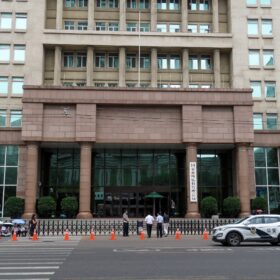
China’s competition regulator halts $7 billion plan to consolidate polysilicon industry
China’s antitrust regulator has halted an industry-led effort to reduce polysilicon capacity and coordinate pricing, ordering full rectification of actions that contributed to rising market prices. Futures fell sharply after the intervention.
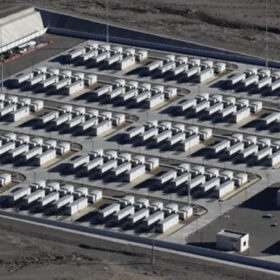
China’s switches on world’s first GWh-scale supercapacitor-energy storage project
The 500 MW/1 GWh Jiayuguan NingSheng project combines lithium batteries and supercapacitors to support grid stability and renewables integration.

India’s smart metering boom reshapes grid through decentralized IoT
India’s power system is rapidly decentralizing as electricity demand, rooftop solar, electric vehicles, and distributed generation expand, turning a one-way grid into a dynamic network that increasingly depends on decentralized data systems such as RF mesh networks.
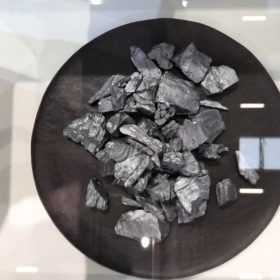
Chinese PV Industry Brief: Polysilicon prices jump over 9% as China supply tightens
Polysilicon prices in China rose sharply this week as reduced output, higher costs, and strong downstream demand pushed transactions above CNY 60,000 ($8,590) per metric ton (MT). Module prices, however, remained stable, supported by firm procurement and tight wafer supply.
