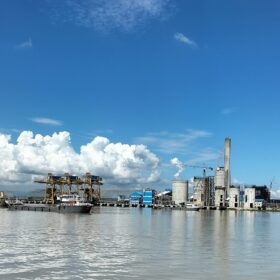
Bangladesh plans 442 MW solar facility near coal power plant
The Bangladesh Power Development Board plans to build a 442 MW solar plant near the Rampal Power Station with a $200 million investment, targeting the country’s largest installation and lower tariffs than comparable projects.
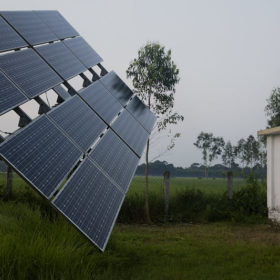
Bangladesh signs PPAs for 523 MW of solar capacity
The Bangladesh Power Development Board (BPDB) has signed power purchase agreements with seven solar projects totaling 523 MW, marking a renewed push for utility-scale solar following the reinstatement of previously canceled approvals.
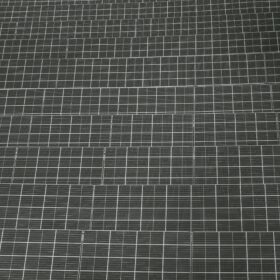
Bangladesh seeks consultants for 220 MW solar project
A tender is open in Bangladesh seeking consultants to support the development of the 220 MW Sonagazi solar project. The deadline for expressions of interest is February 3.
Bangladesh seeking contractors for 220 MW solar project
Electricity Generation Co. of Bangladesh (EGCB) has issued a procurement notice for a forthcoming 220 MW solar project near its existing 75 MW Sonagazi facility. Once completed, the installation will be the country’s largest solar plant to date.

Bangladesh reinstates 11 solar plants totaling 918 MW after tariff cuts
Bangladesh reinstated approvals for 11 solar plants with a combined capacity of 918 MW after developers agreed to lower tariffs, in a move expected to save the government BDT 11.69 billion ($96.2 million) per year.

Bangladesh approves 220 MW solar project, its largest to date
Bangladesh has givern approval to a 220 MW plant in Sonagazi, partly funded by the Islamic Development Bank.

Bangladesh opens testing lab to certify solar module quality
The Bangladesh Standards and Testing Institution (BSTI) says its new solar module testing laboratory in Dhaka marks a major step toward enforcing quality standards and supporting the nation’s export ambitions.
Bangladesh tenders 72 MW of rooftop solar
Northern Electricity Supply Co. has invited bids for rooftop systems totaling 72.36 MW to be installed on nearly 1,900 public buildings under the National Rooftop Solar Programme 2025.
Bangladesh tenders 72.5 MW of rooftop solar under national program
Bangladesh’s power regulator has started accepting bids for 17 rooftop solar systems totaling 72.5 MW, marking the first government-backed purchases under the National Rooftop Solar Programme 2025.
Bangladesh revises net metering rules to expand solar
Bangladesh has updated its net metering framework for solar. The new rules aim to expand access and raise self-consumption among prosumers.
