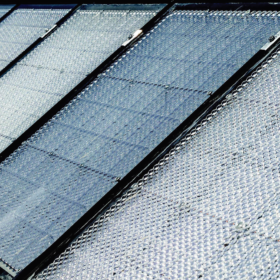
Space age solar solution moves toward production
A consortium of European research institutes has received €10.6 million in EU funding to establish pilot production of a high efficiency module concept developed by Swiss startup Insolight. The module combines high efficiency multijunction cells with a solar concentrator lens and has previously demonstrated 29% efficiency.

North Macedonia’s 35 MW solar tender attracts 82 bids
The government intends to build a 25 MW solar park in Sveti Nikole and a 10 MW facility in Makedonski Brod. The feed-in premium granted to the winning bids has been capped at €15/MWh.

German scientists team up for perovskite tandem cells
Two of Germany’s leading research institutes and a CIGS module maker have announced plans to work on the development of perovskite-CIGS tandem cells with a target of producing thin film modules with better than 30% efficiency.
Dutch government treats 21 municipalities to smart EV chargers
Vehicle-to-grid functions could soon become increasingly important. While policymakers discuss the necessary regulations in other nations, the Netherlands government is motoring ahead with the technology.
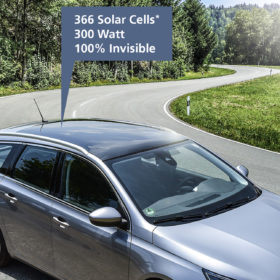
Fraunhofer ISE displays colored solar car roof at auto trade fair
An increasing number of carmakers and research institutes are developing concepts that combine e-mobility and solar. Thus far, range additions from in-car panels of between 10 and 60km are the limit of innovation. The Fraunhofer roof is tinted with a color that hides the cells but lets through most of the light.
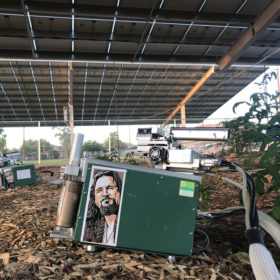
Food crops do better in the shade of solar panels
Another study has highlighted the advantages of combining solar with agriculture. According to the paper, growing chiltepin pepper, jalapeno and cherry tomato in dryland areas of the U.S. under the shade of PV modules is not only possible, but can lead to a better harvest.

Germany added 292 MW of solar in July
Demand for systems with a generation capacity of up to 750 kW is driving the market. The 52 GW capacity cap for solar under the national FIT scheme is approaching. In September, feed-in tariffs and market premiums will fall a further 1.4%.
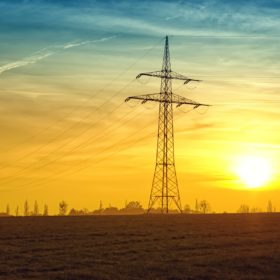
PV cheaper than spot market electricity across Europe
The levelized cost of energy produced by large scale PV projects ranges from €24/MWh in southern Spain to €42/MWh in Finland. New research states that is already cheaper than the average spot market electricity price and that the figure for big facilities in southern Spain may fall to €14 in 2030 and €9 in 2050.

France launches three solar tenders for 2 GW of capacity
Two procurement exercises will be for ground-mounted PV and will be launched in January and June. A third tender, scheduled for February, will concern rooftop PV.
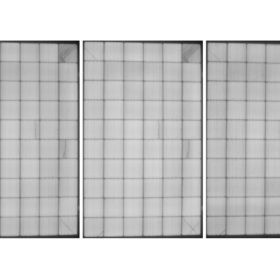
Tuesday webinar: New test for microcracks will ‘push the industry to exceed benchmarks’
A new test design from the University of Central Florida has challenged modules with different cell technologies. The results show advantages for the heterojunction modules tested. Here we discuss the new method with its designer.
