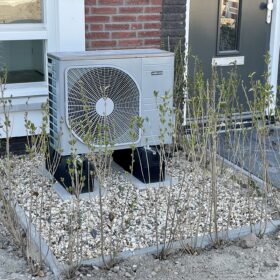
Dutch scientists assess consumers’ willingness to pay for renewable heating
A survey of 1,797 residents was used to determine the willingness to pay for low-carbon residential heating in the Netherlands. On average, respondents were willing to pay a premium of 33% for electricity-based heating. Policy recommendations were also provided as part of the study.
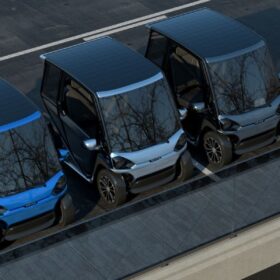
Lightweight mobility with vehicle-integrated photovoltaics
A European consortium of commercial and research groups is developing lighter weight, solar-powered, cost-conscious, three and four-wheel prototype vehicles for passengers and cargo. The $13.4 million project aims for a platform that has standardized components, including the battery, powertrain, and solar PV parts, as well as support for end-of-life, maintenance, and refurbishment.
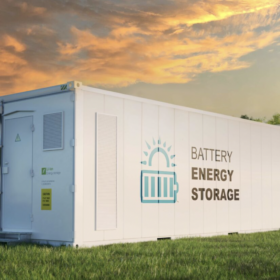
Giga Storage, TenneT to optimize use of grid capacity
Under the first-ever time-limited contract in the Netherlands, Giga Storage will have the right to take electricity from the grid or feed it back in from its 300 MW/1,200 MWh Leopard project at least 85% of the time.
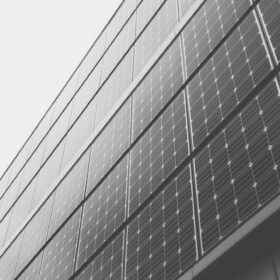
Building-integrated PV in the Netherlands
The latest report from the International Energy Agency Photovoltaic Power Systems Programme (IEA-PVPS) says that building-integrated photovoltaics (BIPV) could be key to help decarbonize cities in the Netherlands, but it warns that the needs of the solar and construction sector must be bridged.

Rodrigues and Curacao have PV lessons for us all
With the world’s islands already experiencing some of the worst effects of climate change, much could be learned from their ability to demonstrate the viability of 100% clean energy systems. Greening the Islands’ Gianni Chiannetta examines the case for two islands in the Caribbean Sea and Indian Ocean.

The Hydrogen Stream: MIT shows hydrogen can be made from aluminum, caffeine
Researchers from the Massachusetts Institute of Technology (MIT) claim they can efficiently produce hydrogen from recycled aluminum cans in seawater by combining them with gallium-indium and caffeine.
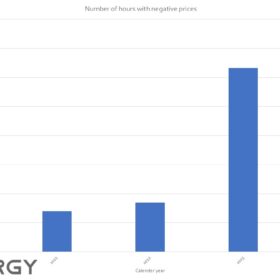
Netherlands posts more negative energy prices
The Netherlands has recorded more hours of negative energy prices between Jan. 1 and Aug. 17 than it did in all of 2023. Dutch research firm Stratergy has noted a clear correlation between expected solar and wind energy and negative hourly prices in the day-ahead market.

Dutch standardization authority warns about balcony PV risks
The Royal Netherlands Standardization Institute (NEN) has warned Dutch consumers about the risks of poor balcony PV installations.

Dutch manufacturer unveils gel lead-acid battery for residential use
A new Dutch home battery has a new twist on old technology: gel lead-acid batteries, for safe operation.

Dutch football stadium installs second battery
Amsterdam’s Johan Cruyff Arena has installed a second battery, increasing its storage capacity to 8.6 MWh and allowing a recent soccer match to be entirely run on sustainable energy.
