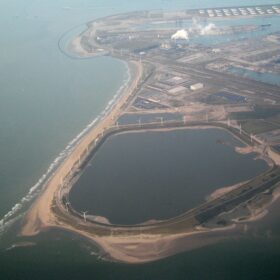
Rotterdam port advances 96 MW floating solar project for local use
A 96 MW floating PV project is set to be built at a dredging depot at the Port of Rotterdam. The array will not feed energy to the grid, instead serving local businesses. It is scheduled for operations in 2027.

The prospects for ultra-high-temperature heat pumps
An international research team has reviewed emerging solid-state and gas-cycle heat pumps capable of reaching temperatures of up to 1,600 K, assessing their challenges, applications, scalability, and technology readiness levels. The researchers say these systems could outperform conventional high-temperature heating technologies by achieving coefficients of performance above 1.
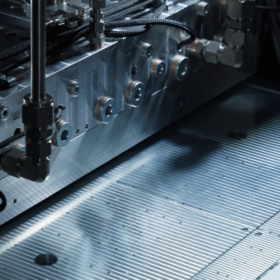
SALD launches large area sheet-to-sheet tool for perovskite solar pilot lines
The Dutch spatial atomic layer deposition equipment manufacturer has launched a new sheet-to-sheet tool for pilot production of large area perovskite solar devices on glass substrates.
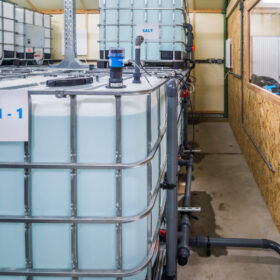
Long-duration storage as an antidote to grid congestion, renewables curtailment
RenewaFLEXNL, a three-year Dutch initiative led by TNO, aims to accelerate long‑duration energy storage (8–100 h) to reduce grid congestion and better integrate renewable energy. pv magazine spoke with the project coordinator, Iraxte Gonzalez Aparicio, about diverse storage technologies, real-world applications, regulatory guidance, and energy management system tools to support large-scale solar‑plus‑storage deployment in the Netherlands and beyond.

Modeling subcell degradation rates in perovskite-silicon tandem solar modules
Researchers in the Netherlands developed a model to identify tolerable degradation rates of the top cell in perovskite-silicon tandem modules. Simulations showed that an increase in tandem module efficiency from 28.0% to 32.9% could raise the tolerable degradation rate by approximately 50%.
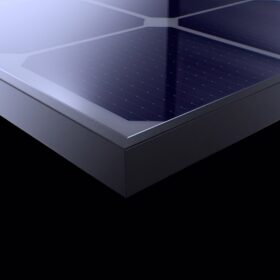
Hong Kong–based startup launches glass-fiber composite solar module frames
Xilia Group has introduced composite frames for solar modules made from glass fiber–reinforced polyurethane. The company says the frames reduce weight, resist corrosion, and eliminate the need for grounding.
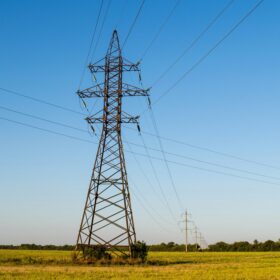
Germany, France, Netherlands curtail 3.9 TWh of renewables in 2025
Analysis by energy advisory service Montel finds Germany, France and the Netherlands all saw record levels of renewables curtailment last year, with the build out of solar in each market contributing to midday generation peaks and consequential price cannibalization.
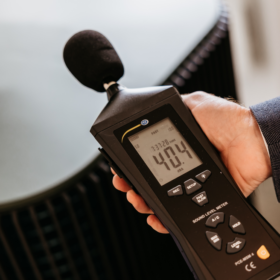
Dutch utility testing ‘silent’ residential heat pumps
Dutch utility Eneco is testing low-noise air-to-water heat pumps from startup Whspr in around 20 homes, aiming to ease installation constraints near property boundaries. The systems reportedly achieve coefficients of performance of up to 5 and show up to 80% noise reduction in laboratory testing.
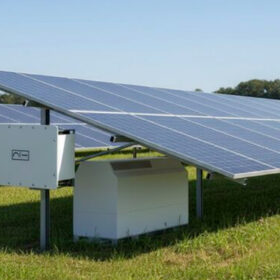
Moonwatt brings DC-coupled, passively cooled sodium-ion tech to solar projects
The Dutch start-up, founded by former Tesla leaders, is taking a novel approach to sodium-ion battery technology, optimizing it for integration with solar power plants. Its technology is set to be deployed for the first time in a Dutch solar-plus-storage project later this year.
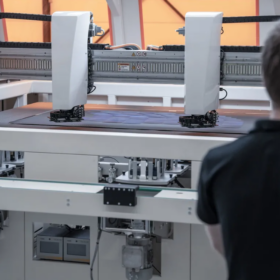
Nissan wheels out solar-powered vehicle
The Ariya demonstration vehicle features 3.8 m² of Lightyear’s custom solar panels integrated across the hood, roof, and tailgate. Testing showed that the car could generate 0.5 kWh of solar energy during a 2‑hour, 80 kilometer trip, delivering up to 3 kilometers of range at no extra cost or charging time.
