How to integrate solar-plus-storage with heat pumps
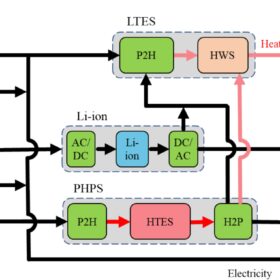
Scientists in Spain have simulated a system that uses both power-to-heat-to-power thermal batteries and lithium-ion batteries for energy storage. The hybrid system reportedly achieved a 7% lower LCOE compared to a PV system relying solely on lithium batteries, while simultaneously increasing PV self-consumption by up to 20%.

Spain blackout not caused by renewables, says prime minister
Spanish Prime Minister Pedro Sánchez says Spain’s recent blackout was not triggered by excess renewables or a lack of nuclear power. He claims the government will reform the grid, seek an independent report from Brussels, and launch a national inquiry.
History repeats as Iberian blackout demonstrates urgent need for battery storage
The vast blackout that gripped the Iberian Peninsula on April 28 has echoes of a similar event in an Australian state in 2016. The solution in both cases appears to be the same.

Spain’s nationwide blackout leaves millions in the dark, cause still unclear
Spanish energy expert Antonio Delgado Rigal tells pv magazine that while the exact cause of yesterday’s nationwide blackout in Spain remains unclear, preliminary signs point to grid instability triggered by system failure.
Spain hits 65.8 GW of solar projects with grid permits in March
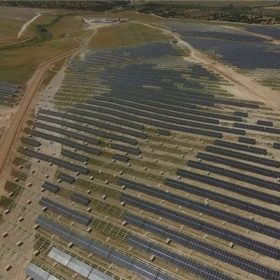
Spain now has 65.8 GW of solar projects with grid-connection permits, says the country’s energy agency. Total renewable energy installations with grid permits hit 129.5 GW by the end of March, up 15.5% from February.
How to combine photovoltaics with rainwater harvesting
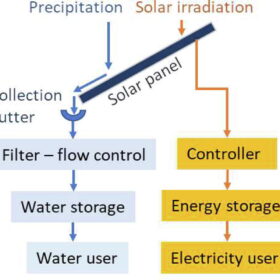
Scientists have developed a system that harvests rainwater running off PV panels for household use or hydrogen production. Their analysis showed that, in the southern Sahel, the system can meet both the energy and water requirements for electrolysis, with surplus rainwater covering up to 50% of a household’s daily water demand.

Spain’s Cegasa presents its first utility-scale battery
The Spanish manufacturer will exhibit the E/Xpand HV battery at the upcoming Smarter E show in Munich next month. It will showcase racks for commercial and industrial (C&I) and large-scale systems of up to 5 MWh.

Spain hits first weekday of 100% renewable power on national grid
Spain’s grid ran entirely on renewable energy for the first time on April 16, with wind, solar, and hydro meeting all peninsular electricity demand during a weekday. Five days later, solar set a new record, generating 20,120 MW of instantaneous power – covering 78.6% of demand and 61.5% of the grid mix.

The Hydrogen Stream: EU backs €400 million H2 scheme in Spain
The European Commission has cleared a €400 million ($455.2 million) Spanish aid program to scale renewable hydrogen output, backing up to 345 MW of electrolyzer capacity and targeting 221,000 tons of production via the EU Hydrogen Bank’s 2025 auction round.
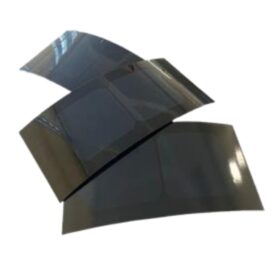
Izpitek unveils products to transform inert surfaces into PV systems
Izpitek is launching a new product line using patented tech to embed PV cells in composites, cutting weight by up to 95%.
