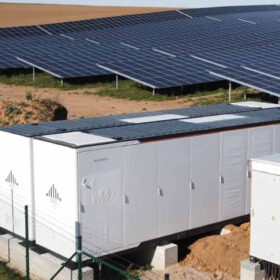
Italy’s first MACSE battery auction smashes expectations with 10 GWh awarded at record low prices
The result of the auction are tariffs that came dramatically below the reserve premium which was set at €37,000 per MWh per year.
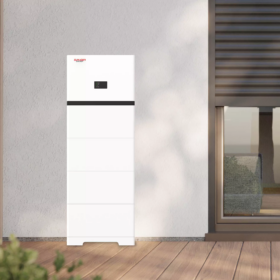
Sunwoda Energy unveils 40 kWh storage system for homes, businesses
Chinese manufacturer Sunwoda Energy introduced a modular all-in-one energy storage system with up to 40 kWh capacity and 30 kW output for residential and small commercial use.

Brazil opens consultation on nationwide smart meter deployment
Brazil’s Ministry of Mines and Energy (MME) has launched a consultation that could lead to the installation of 3.6 million smart meters as part of efforts to modernize the power sector and cut losses.
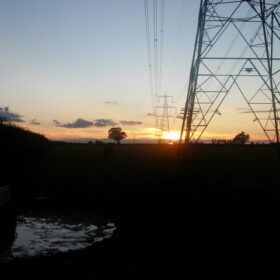
European electricity spot market shifts to 15-minute trading blocks
The European Power Exchange (Epex Spot) will switch its day-ahead market from hourly to 15-minute intervals on Sept. 30, a change mandated by the European Union that is expected to improve solar and wind integration, boost battery trading opportunities, and support dynamic tariffs.

Brazil tenders 50 MW of battery, solar and hybrid sites for isolated areas
Two lots were tendered, to serve communities in Amazonas and Pará, with BRL 312 million ($58 million) of equipment. In Amazonas, 20,165 MW will be installed via five solar and diesel-fired thermal generation sites. Pará will get a 30.1 MW battery, solar and diesel facility.
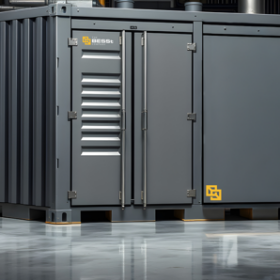
U.S. startup unveils zinc-polyiodid redox flow battery with energy density of 320 Wh/L
BESSt announced that its new redox flow battery technology delivers 20 times the energy density of conventional vanadium flow storage systems. The battery is based on a zinc–polyiodide redox flow chemistry developed by the Pacific Northwest National Laboratory.
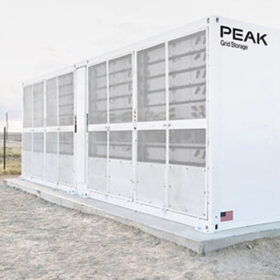
Peak Energy announces operation of first large-scale sodium ion battery in US
Denver-based Peak Energy claims its sodium-ion battery system offers the lowest operating cost of any energy storage technology on the market today.
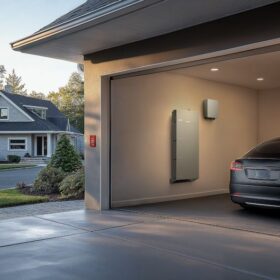
EcoFlow launches energy management system providing whole-home backup
Global energy company EcoFlow’s latest product, Gateway, is a wall mounted hardware system that can be installed indoors or outdoors and is compatible with third-party inverters and diesel generators as well as EcoFlow’s own extensive product suite.
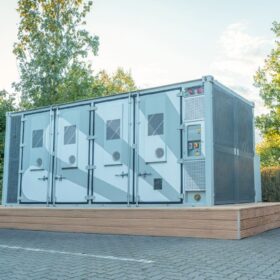
Europe’s largest sodium-ion battery installation goes live
Switzerland’s Phenogy has launched a megawatt-hour-scale sodium ion energy storage system at a commercial site near Bremen Airport in northern Germany. With this project, the Swiss manufacturer is making its debut on the European energy storage scene, backed by ambitions to develop fully vertically integrated local manufacturing.
Renewables overbuilding, proactive curtailment can reduce Europe’s energy system costs
New research from the Netherlands showed that renewables and short-term storage can meet around 92.5% of Europe’s electricity demand in future energy scenarios, with the remaining 7.5% being satisfied by green hydrogen. The scientists considered Europe as fully self-sufficient with zero import-export of power or hydrogen, with each of the 37 countries included in the modeling having a self-sufficiency rate of at least 80%.
