
Site selection for PV plants on coal gangue hills
Scientists have developed a novel method to identify which hills of coal waste are suitable for the construction of a solar plant. Their technique integrates GIS and the technique for order preference by similarity to an ideal solution. They tested the new approach suburban areas of Yangquan City, China.
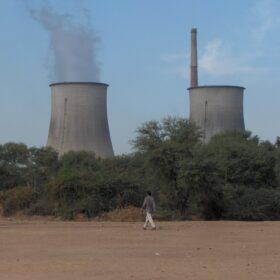
Coal share falls below 50% in India’s installed power capacity
The share of coal in India’s total installed power capacity fell below 50% in the first quarter of 2024. This is well ahead of the government’s target to establish 50% cumulative power generation capacity from non-fossil sources by 2030.
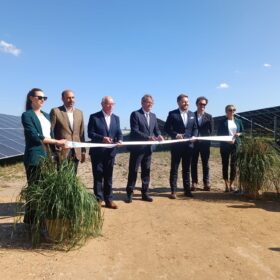
Former Polish coal mine transforms into 200 MW solar PV plant
‘It is a project that stands as an example of energy transition,’ Duarte Bello, CEO of EDP Renewables’ Europe and Latin America operations told pv magazine. The new 200 MW solar PV plant is now generating energy on a former brown open-pit lignite site.
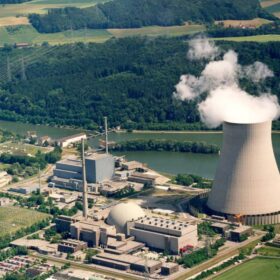
Germany’s power mix boasts more renewables, lower spot market prices – despite nuclear exit
Germany’s shutdown of nuclear power plants in April did not result in a ramp-up of lignite-fired power plants, despite concerns. Instead, there has been a significant increase in the share of renewables in the electricity mix, and the proportion of coal-generated electricity has fallen by more than 20%.
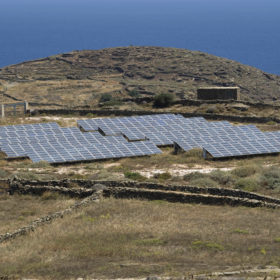
Greece’s coal phase out enters shaky ground
A row between the Greek ministry of the environment and energy, the country’s electricity utility, and a journalist has shown that Greece still has pro-lignite voices in key posts and that the government must move quickly if it wants to realize its coal phase-out plans.
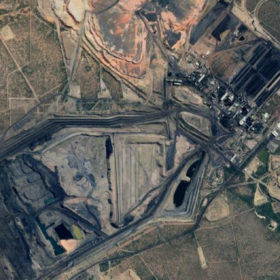
China and India to drive record world coal demand next year
Advances in solar power and other clean energy technologies have failed to keep up with demand for electricity as economies rebound from the Covid crisis and China and India’s fossil fuel appetite will ensure the world stays well short of what is needed for a net zero 2050 for at least the next three years.
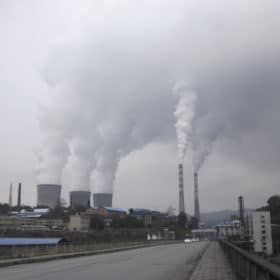
China pledges not to build new coal plants abroad yet questions remain
President Xi Jinping’s pledge this week at the United Nations General Assembly that China will not build new coal-fired plants abroad is welcome news; however, Asia’s transition to low carbon energies remains in dire need of policy reforms.

Polish oil company plans 100 MW solar park at brown coal mine
The solar park is expected to be connected to the grid infrastructure of a coal power plant located nearby. Polish oil group Orlen is targeting 2 GW of renewable energy assets by 2030.

World is set for 3.3C temperature rise, predicts Bloomberg
Although the global solar industry might be cheered by the prospect of a healthy slice of an expected $12 trillion, 30-year windfall, governments are falling far short of steering us clear of catastrophic global heating, according to the analyst’s latest New Energy Outlook report.
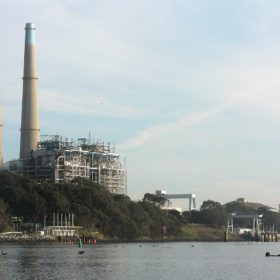
How does the US retire 236 GW of coal and 1,000 gas peaker plants?
Victory in the economic realm (increasingly the case with solar, solar-plus-storage and wind) is no guarantee of market victory if the regulations are stacked against renewables.
