
Malaysia’s 1 GW PV tender attracts lowest bid of $0.0429/kWh
Through the fourth tender of the LSS program for large scale PV, the Malaysian authorities have pre-selected 30 solar projects with a combined capacity of 823 MW. The lowest bid came in at MYR0.1768/kWh ($0.0429) and the highest at MYR0.2481/kWh.

Turkey’s 1 GW PV tender more than eight times oversubscribed
The Turkish authorities revealed that 131 project proposals, with a combined capacity of 9,440 MW, will compete in the tender.
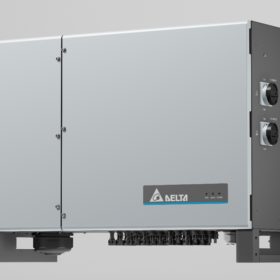
Delta unveils string inverter for utility scale solar
The 125 kW inverter features an efficiency of 99.1% and a European efficiency rating of 98.7%.

Flexible perovskite quantum dot solar cell with 15.1% efficiency
An international research team has developed a PV cell with all-inorganic cesium-lead iodide (CsPbI3) perovskite. The scientists added phenyl-C61-butyric acid methyl ester (PCBM), one of the best electron acceptors in organic PV cells, into the CsPbI3 quantum dot layer.
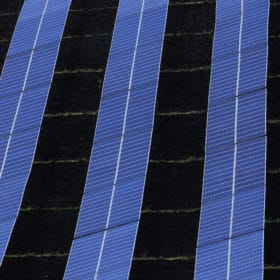
International solar fund weathers Australia’s storms, grid constraints
Foresight Solar Fund’s 2020 annual report puts problems for four powerful Australian PV assets into context.
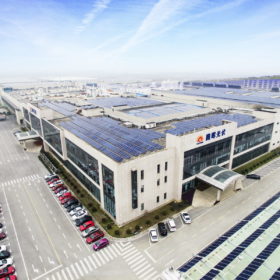
Chinese PV Industry Brief: New polysilicon deal, more cell and module capacity
Xinte Energy has secured a supply contract for 152,400 metric tons of polysilicon. Talesun and Longi are both expanding their respective cell capacities by 5 GW.
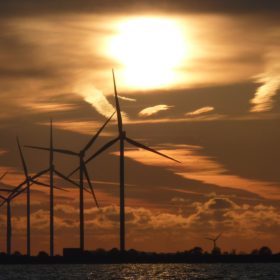
Greece, Cyprus and Israel take a further step to link their grids
The three Mediterranean countries of Greece, Cyprus and Israel signed this week an agreement to develop a subsea cable that links their electricity grids. Upon completion, the so-called EuroAsia Interconnector will be the world’s longest subsea power cable and could boost solar PV development in all three countries substantially.
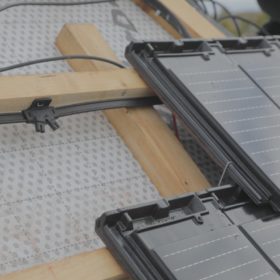
Solar tile made in Germany
German manufacturer Autarq is selling its solar tiles at a price ranging from €25 to €30 per piece. It claims a PV system built with these products can cover around 70% of household needs.

Guyana launches series of tenders for off-grid and hybrid solar
The government of the South American nation is seeking to electrify with solar-plus-storage several remote communities through eight different tenders.
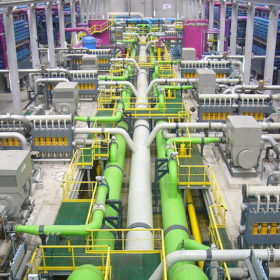
Floating PV for desalination
Spanish water-treatment specialist Emalsa has teamed up with Instituto Tecnologico de Canarias ITC and Universidad Europea de Canarias to study the feasibility of a 1.53 MW floating solar plant that could potentially power the Piedra Santa desalination plant in Gran Canaria.
