
Jolywood announces bifacial panel with 615 W ouptut
Presented at the SNEC fair in China, the Niwa Super module series has a power output ranging from 570 W to 615 W and a reported efficiency of 22.1%.
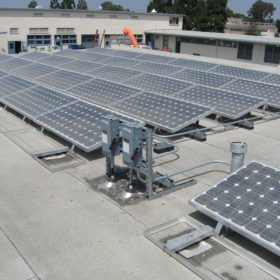
Photo-electrochemical cells vs. PV electrolysis
Dutch researchers have analyzed the two most promising solar-assisted technologies to produce green hydrogen, based on the levelized cost of hydrogen. They found that PV-powered hydrogen production offers the lowest costs, at $6.22/kg, with a solar-to-hydrogen efficiency ratio of 10.9%.
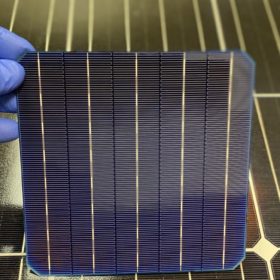
New PV cell architecture creates resistively bounded subcells
Solar Inventions, the winners of the first American-Made Solar Prize, plan to commercialize their newest product, which is claimed to reduce silver content and increase module power, while potentially saving manufacturers up to $1 million per year.
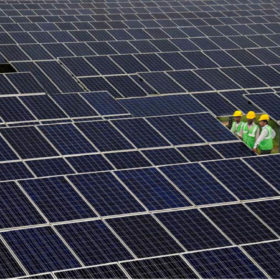
Indian hydropower company seeks EPC bids for 25 MW of floating PV
Bidders have until Aug. 25 to show interest in an engineering, procurement, and construction contract for a 25 MW floating solar plant in Khandwa district, in the Indian state of Madhya Pradesh.
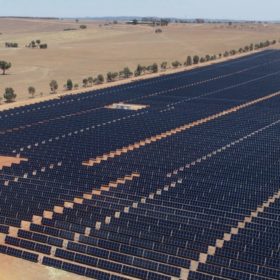
PPA-linked 120 MW solar park goes online in Australia
The 120 MW solar project near Wagga Wagga in New South Wales, the first renewable energy asset in the portfolio of network owner Spark Infrastructure, has achieved a critical milestone in the face of market challenges and delays.

Colombia’s PV project pipeline reaches 8.8 GW
According to the Mining and Energy Planning Unit (UPME), there are currently 385 projects totaling 15 GW at different stages of development, including 4 biomass, 17 wind, 93 hydro, 271 photovoltaic and 7 thermal.
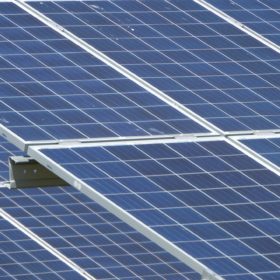
The PV world 10 years ago – Summer Series Part V
pv magazine editor Pilar Sánchez Molina takes a look at PV sector news from 10 years ago as part of an ongoing series. These insights bring back memories of an exciting, challenging period, while pointing to where we might be in 2030.
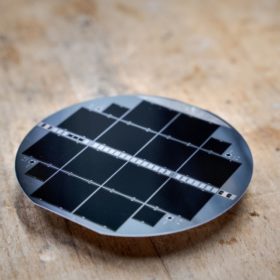
Fraunhofer ISE claims 25.9% efficiency for III-V tandem solar cell
The new results mark an improvement on the institute’s previous 24.3% efficiency record. The III-V tandem solar cell is directly grown on silicon.

Facebook announces nearly 1 GW of new energy deals
As Facebook races to meet its goal of becoming 100% powered by renewables by the end of this year, it has made another massive investment in clean energy by signing contracts for 806 MW of new solar and wind capacity, with projects in Ireland and the US states of Utah, Ohio, Illinois, and Tennessee.

Poland’s PV capacity reaches 2.26 GW
The country has deployed around 916 MW of new PV capacity in the first seven months of the year.
