
Why does the digitalization of PV matter?
In its latest monthly column for pv magazine, the European Technology and Innovation Platform for Photovoltaics (ETIP PV) presents the added benefits of digitalized PV systems, which it will also discuss in two events planned for the upcoming EU-PVSEC conference in Lisbon, Portugal. Smartly blending the wealth of PV energy with the advanced features of inverters can maximize the benefits of PV systems, according to ETIP PV.

‘We have not forgotten how China’s unfair trade practices affected our solar industry’
The president of the European Commission, Ursula von der Leyen, said in the 2023 State of the Union Address this week that European solar manufacturers face stiff competition from heavily subsidized Chinese rivals and noted that the bloc is launching an anti-subsidy investigation into electric vehicles from the country.
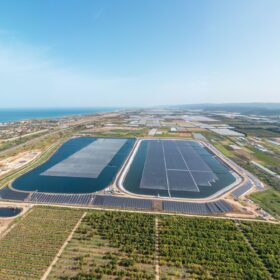
Teralight complete Israel’s largest floating PV project
Teralight has completed Israel’s largest floating PV project, deploying 31 MW of capacity on two water reservoirs in the northern part of the country, at an estimated project cost of $33.8 million.

Tesla launches Powerwall 3 battery
Tesla has launched the Powerwall 3 battery with an energy capacity of 13.5 kWh and continuous on-grid power of 11.5 kW, featuring dimensions of 110 cm x 61 cm x 19.3 cm and a weight of 130 kg.

PV-driven heat pump system for freshwater production, cooling, hot water
Scientists in India have combined a solar-assisted heat pump with a humidification-dehumidification and vapor compression refrigeration (HDH-VCR) cycle to generate heat and cooling. The system is reportedly able to generate up to 5.5 l per hour (LPH) of fresh water while achieving an ‘enhanced’ coefficient of performance.
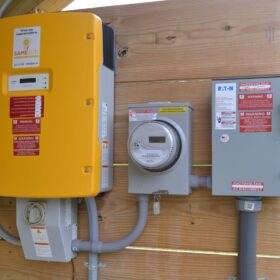
How long do residential solar inverters last?
A range of different factors can affect the productive lifespan of residential solar inverters.
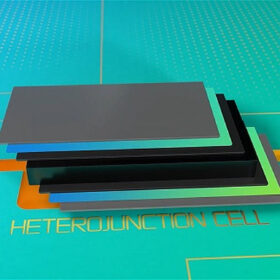
REC launches 470 W heterojunction solar panel with 22.6% efficiency
REC has developed a new series of heterojunction solar panels with efficiencies up to 22.6% and an operating temperature coefficient of -0.24% per degree Celsius.

Chinese PV Industry Brief: Trina reveals new US factory plans
Trina Solar has revealed plans to build a new factory in Wilmer, Texas. It will source polysilicon from unspecified locations in Europe and the United States.
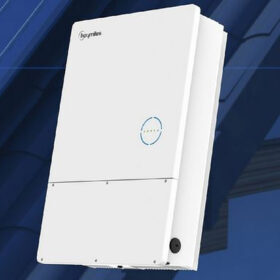
Hoymiles launches hybrid inverters for residential PV
Hoymiles has developed new hybrid inverters for residential PV applications. They have a nominal power range of 3.8 kW to 11.5 kW and an efficiency of 97.6%.
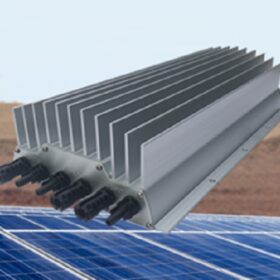
Ampt introduces 70 kW output solar string optimizer
The i50 optimizer supports the largest utility-scale solar projects.
