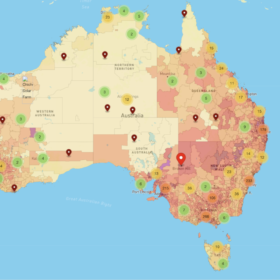
Australia passes 25GW of installed PV
Australia has hit a historic milestone – it has reached 25GW of installed solar capacity. As the Australian PV Institute noted on Monday, that’s more solar per capita than anywhere else in the world.
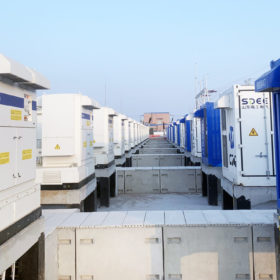
Sineng Electric energizes 100MW/200MWh storage facility in China
The project is relying on Sineng’s 3.15MW turnkey battery stations EH-3150-HA-UD 35 and is the first phase of a 300MW/600MWh that the Chinese state-owned power company China Three Gorges Corporation is building in China’s Shandong province.
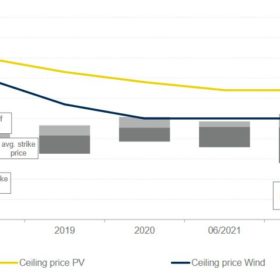
Latest Polish renewables auction shows momentum of unsubsidized solar
Recent analysis from German consultancy Enervis has shown that only 40% of the electricity to be generated by solar capacity in Poland’s latest auction for utility scale renewables will be sold under the exercise’s contracts for difference regime, and that the remaining share will be sold under bilateral power purchase agreements or to the spot market.
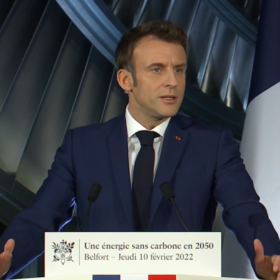
France announces 100GW solar target for 2050
France has set a new target under which it will install 5GW of new PV capacity per year.
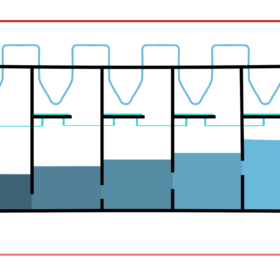
Photovoltaics for multistage flash desalinators
Scientists have investigated how utility-scale solar may be used to power multistage flashing-brine recirculation (MSF-BR) water desalination plants in Aqaba, Jordan. They found the facility would be sufficient to provide the entire city with drinking water. The proposed system configuration comprises a 30 MW solar plant and a standar MSF-BR unit.
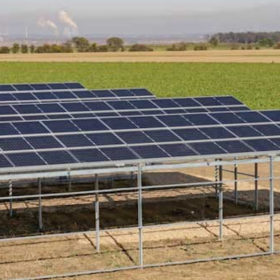
New agrivoltaic system design from Germany
Germany’s Sunfarming is testing the new project design in cooperation with research centers Jülich and the Fraunhofer ISE.
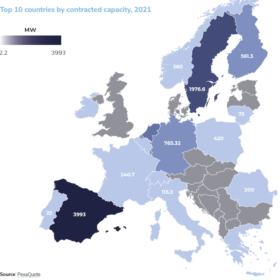
Spain largest PPA market in Europe last year with almost 4 GW of deals
According to Swiss consultancy Pexapark, around 11 GW of power purchase agreements were closed in Europe last year. For 2022, the analyst expects shorter deals and the presence of more new entrants.
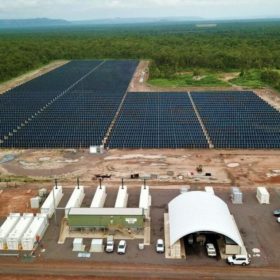
Solar-plus-storage powers Australian mining town
The remote Australian township of Jabiru, deep in the heart of Kakadu National Park, has been powered 100% by solar PV during the final commissioning of the new Jabiru Hybrid Renewable Power Station.
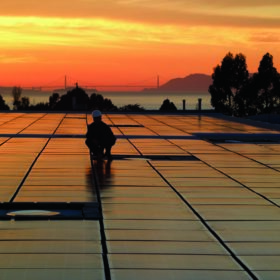
SunPower to sell C&I solar business to TotalEnergies
SunPower is selling its C&I operations so it can focus on expanding its residential business, while TotalEnergies will advance its distributed generation activities in the US market.

National Energy Transition Fund may help Spain become Europe’s largest renewable energy producer
A White Paper written by Áurea Capital Partners analyzes the integration of the European energy market to conclude that Spain is “facing a leadership opportunity and a unique geopolitical advantage that must be taken advantage of and accelerated.” The creation of a National Energy Transition Fund, like that created by Norway for its oil industry, may help the country attract huge investment for clean energy.
