
Combining PV-driven heat pumps with district heating in multi-apartment buildings
An international research group has investigated how PV-powered heat pumps and district heating could be combined to heat a multi-apartment building in Sweden and have found that, of the three combinations they evaluated, relying on heat pumps as the primary heat source was the “most beneficial solution” in terms of operating costs and environmental impact.

Malaysia upgrades net metering scheme for rooftop PV
The Malaysian authorities say that approximately 1.7 GW of PV systems are operating under the Malaysian Building Integrated Photovoltaic (MBIPV) scheme and the country’s three Net Energy Metering (NEM) programs.
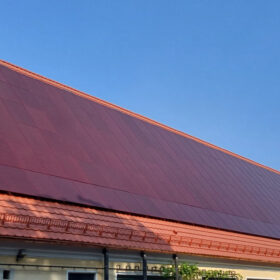
German castle now hosting brick-red PV system
A castle in Bavaria, Germany, has installed a brick-red PV system using colored solar modules from Italy-based FuturaSun. The project was enabled by a recent amendment to Bavaria’s Monument Protection Act, allowing solar on heritage buildings.

K2 Systems launches new pitched roof mounting solutions
K2 Systems has introduced two new pitched roof mounting components for residential solar: the SingleHook 3S Light, made of aluminum and stainless steel, and the InsertionRail 2.0, an aluminum mounting rail.

Israel requires PV systems on new residential, commercial buildings
Israel has introduced requirements for PV system installations on all new non-residential buildings with rooftop areas above 250 square meters and new detached residential buildings with roofs larger than 100 square meters.
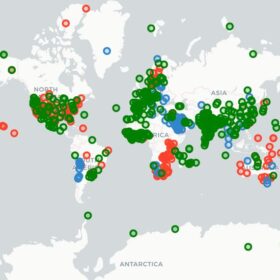
SolarStations.org: Mapping the future of solar resource assessment
IEA PVPS Task 16 recently introduced SolarStations.org, a global catalogue of solar irradiance monitoring stations designed for researchers, developers, and policymakers. This openly available resource catalogues more than 800 multi-component stations –of which more than 400 are currently active – offering a comprehensive view of high-quality ground-based solar data.

Belgium expected to reach 33.6 GW of PV capacity by 2035
Belgian grid operator Elia says the country might almost double its installed PV capacity from around 12.6 GW in 2025 to 22.5 GW at the end of 2030.

France releases new FIT rates for PV systems up to 500 kW
France’s new feed-in tariffs (FITs) for July to September 2025 range from €0.0886 ($0.1046)/kWh to €0.1243/kWh, depending on system size.
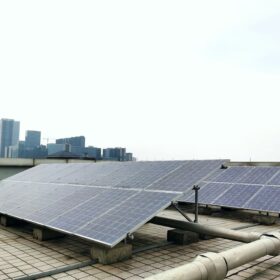
Guyana launches net billing scheme for rooftop PV
Guyana has introduced a net billing program for rooftop PV systems up to 100 kW and for larger systems based on a customer’s maximum demand. It aims to expand distributed generation and reduce grid dependency.

How albedo interacts with different rooftop PV system patterns
Researchers have simulated 160 cases of PV rooftop installation in southern and northern Italy. Among changing parameters were size and type of the panels, as well as their roof cover rate. The considered albedos were 20%, 40%, 60%, and 80%, representing different types of roof materials.
