
Mexico introduces new rules for self-consumption
Mexico’s energy regulator has issued new provisions to streamline the permitting process for self-consumption power plants between 0.7 MW and 20 MW, aiming to improve legal certainty for project developers.
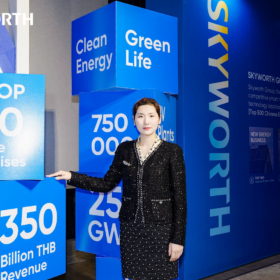
SNEC Interview: Skyworth PV to roll out EPC business globally
During last month’s SNEC exhibition in Shanghai, pv magazine met with Wanfei Qu, CIO of Skyworth Group and CEO and director of Skyworth PV (also named Solavita in Europe), at the Chinese manufacturer’s impressive booth. The company utilizes the “Solavita” brand in Europe, but whether the brand is “Skyworth” or “Solavita” the it can leverage its strong foundation in manufacturing, electronics and IT, which it has built up in over 37 years. The Shenzhen-headquartered manufacturer only entered the solar PV industry in 2020, but in the span of just four years the company went from $10 million in PV-related revenues to $3 billion in 2024. The young CEO of Skyworth PV has ambitious goals for the future, targeting $1 billion in overseas PV revenues in the next three years. Germany and Italy are the company’s target markets in Europe.
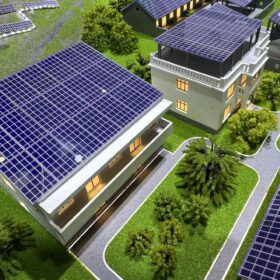
How to cut U.S. residential solar costs in half
Residential solar is about to get more expensive as the 30% investment tax credit expires at the end of 2025. OpenSolar, operator of a free solar design and project management platform, highlights cost-savings opportunities for the industry.
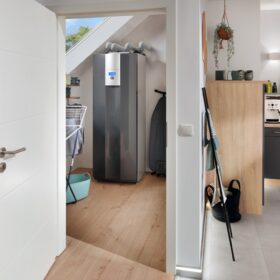
Ait-Group launches residential heat pumps with low propane charge
Germany’s Ait Group has introduced residential ground-source heat pumps using less than 150 grams of propane, based on results from the Fraunhofer ISE LC150 research project. The new systems deliver up to 6 kW of heating with a seasonal coefficient of performance of 5.14.

Behavioral factors behind residential PV adoption in China
Researchers have combined the theory of planned behavior, the technology acceptance model, and diffusion of innovations theory to investigate rooftop solar adoption in China. From a 1,200-person survey, they found that subjective norms and social influence from peers and community had a surprisingly more substantial effect than personal attitudes or perceived ease of use.

High-pressure systems boost global solar irradiance in early 2025
In a new weekly update for pv magazine, Solcast, a DNV company, reports that the first half of 2025 has delivered favourable solar conditions across several key solar generation regions around the globe, with many population centres experiencing above-average irradiance.
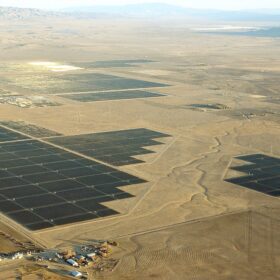
Solar becomes top source of electricity in California
Over the past 12 months, solar power has become California’s largest source of electricity, a trend likely to continue.

France Solar enters liquidation
French solar installer France Solar has entered liquidation after failing to secure a buyer, following its placement in receivership on April 28.

Netherlands increasing vigilance on solar inverter-related cybersecurity risks
The Dutch government said it remains vigilant on potential cybersecurity threats coming from solar inverters. It minimized, however, the risk of hidden hardware components in inverters and said these devices would be “easily detectable” by the Dutch authorities.
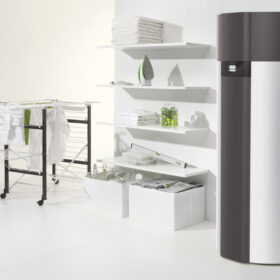
Panasonic launches new domestic hot water heat pump
The Aquarea DHW Heat Pump utilizes propane as the refrigerant and is reportedly able to reach maximum temperatures of 65 C. The standalone unit supports PV contact and is compatible with external recirculation pumps.
