
Assessment of Nigeria’s agrivoltaic potential identifies northern states as optimal areas
A geospatial assessment of agrivoltaic potential in Nigeria finds greatest opportunity in the country’s northern regions with plentiful cropland, high solar irradiance and low electricity access rates. It calculated that meeting projected mid-century solar demand in the states of Kano, Katsina and Jigawa could be achieved by installing agrivoltaics on less than 1.5% of cropland.
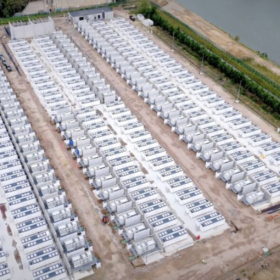
BloombergNEF confirms energy storage has reached the 100 GW era
A record year, and an incredibly strong outlook for the energy storage sector.
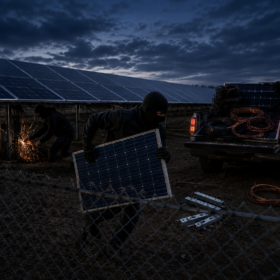
Solar tech theft on the rise in Chile
A survey conducted among member companies of the Chilean Solar Energy Association found a high incidence of nighttime thefts at photovoltaic installations, with the highest concentration in the O’Higgins, Coquimbo, Maule, and Metropolitan regions. Cables and conductors were identified as the most frequently stolen items, while companies have strengthened security measures, including on-site personnel, surveillance cameras, and perimeter fencing.

Egypt installs 800 MW of solar in 2025
Latest analysis from GlobalData expects Egypt’s annual solar additions to reach above 2 GW over the next three years, increasing to above 3.5 GW from 2029 onwards. Cumulative capacity is expected to grow from around 2.9 GW at the end of 2025 to 34.3 GW by the end of 2035.
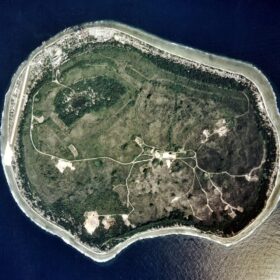
World’s smallest island nation advances 18 MW / 40 MWh solar-plus-storage project
In a bid to rid itself of diesel dependence, the world’s smallest island nation of Nauru has signed a landmark memorandum of understanding with Sydney-based Smart Commercial Energy to develop a clean energy solution.
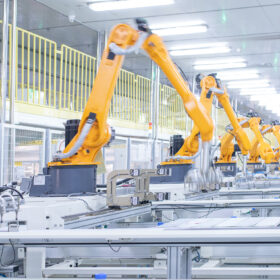
FH Capital to acquire majority stake in JinkoSolar U.S. manufacturing
Private equity firm FH Capital reached an agreement to acquire a 75.1% majority stake in JinkoSolar’s U.S. manufacturing subsidiary to expand domestic module and battery production.
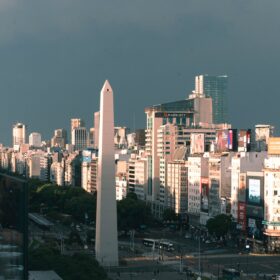
Argentina sees strong growth in solar distributed generation amid electricity price hikes
Argentina’s distributed generation sector is rapidly expanding due to higher electricity tariffs, lower equipment costs, and shorter solar project payback periods of around 3–4 years. Growth has accelerated since 2019, reaching over 4,000 user-generators and 143 MW installed, with strong private-sector-driven adoption.
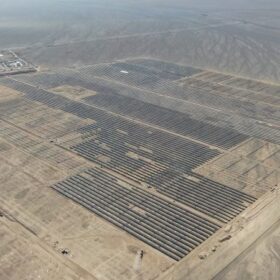
Solar PV accounted for 29% of electricity generation in Chile in March, with instantaneous peaks reaching 75%
The latest bulletin from Generadoras de Chile highlights the continued expansion of BESS systems linked to solar plants, with over 2.5 GW in operation and an additional 6.3 GW under construction, amid rising renewable energy curtailment and transmission grid congestion in southern Chile.
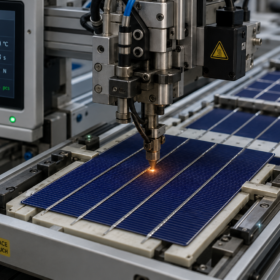
U.S. solar panel manufacturers need to learn to solder
CEA’s 2026 manufacturing quality report finds that yield rates vary widely based on the age of solar module assembly facilities, with mature Chinese firms nearing 100% and U.S. outlier facilities ranging all the way down to 30%.
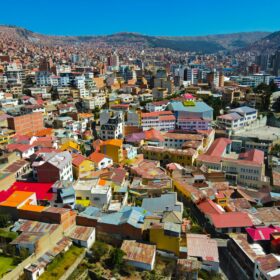
Bolivia presents new law to boost renewables, private investments
The new draft law on electricity and renewable energy, developed by the Ministry of Hydrocarbons and Energy, is entering its technical, legislative and public consultation phase, with anticipated changes to generation, transmission, distribution and regulatory frameworks.
