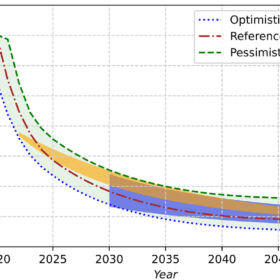
PV-driven green hydrogen may be sold in Australia at $2/kg by 2030
Australian researchers have calculated the levelised cost of green hydrogen under different installed capex scenarios for 2030. They also looked into the different possible sizing of PEM electrolyzers.
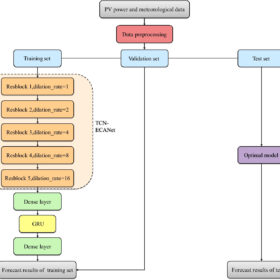
New machine learning tech for short-term PV power generation forecasting
Researchers in China have applied a machine learning technology based on temporal convolutional networks in PV power forecasting for the first time. The new model reportedly outperforms similar models during all seasons.
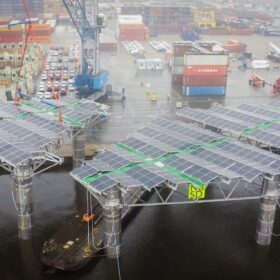
Bureau Veritas certifies SolarDuck’s offshore PV platform
Certification specialist Bureau Veritas has awarded what is says is the world’s first prototype certification for a floating offshore solar solution. It will now be deployed in the North Sea, off the coast of The Hague.
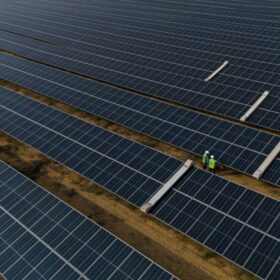
Adani Green switches on 180 MW of solar in India
Adani Green Energy (AGEL) has commissioned a 180 MW solar plant under a 25-year power purchase agreement (PPA) with Solar Energy Corp. of India (SECI).
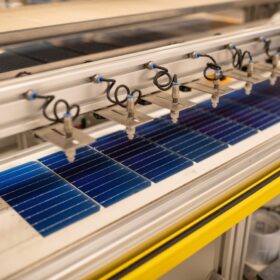
Australia announces ‘pit to panel’ solar manufacturing program
The Australian government will allocate AUD 1 billion ($652.8 million) to help build a domestic solar panel manufacturing industry to underpin the nation’s future as a renewable energy superpower.
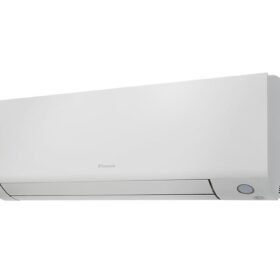
Daikin debuts residential air-to-air heat pump
The Japanese manufacturer claims the new product has a seasonal energy efficiency ratio of up to 9.47 and a seasonal coefficient of performance of up to 5.20.
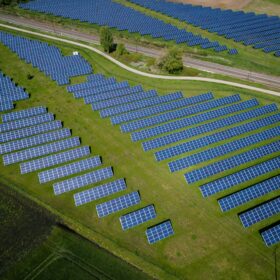
IRENA says solar capacity rose by 345.5 GW in 2023
The International Renewable Energy Agency (IRENA) says developers installed 345.5 GW of solar throughout the world in 2023. China mainly drove the surge, accounting for nearly three-quarters of all new renewable energy, but IRENA says more equitable growth will be needed to hit 2030 deployment targets.
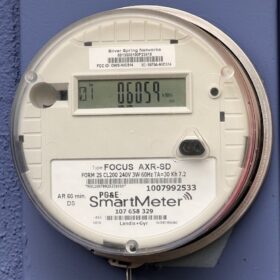
Californians could see up to $128 fixed charge added to their monthly electric bill
The monthly charge would be assessed regardless of any energy conservation efforts or solar production at home. Eighteen California Congressional representatives wrote a letter to the Public Utilities Commission warning the proposed charge would harm low- and middle income residents and “undercut investments in renewable energy.”
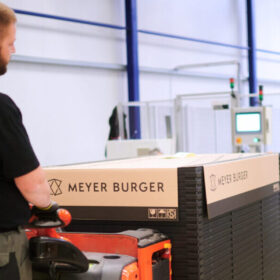
Meyer Burger announces 500 layoffs at German PV module factory
Meyer Burger says it plans to lay off 500 people at its PV module factory in Germany, but some employees might be relocated within the company. It says about 400 workers will lose their jobs.
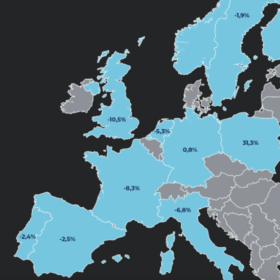
Europe records 24 PPA deals for 1.1 GW of solar in February
Investors and developers in Europe signed 24 power purchase agreements (PPAs) for 1.1 GW of solar in February, making it a “month to remember,” according to Swiss consultancy Pexapark.
