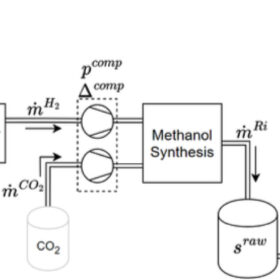
PV-to-methanol plants may maximize returns in reserve markets
New research from Denmark shows PV-to-methanol facilities may achieve 30% lower levelized cost of methanol through engagement in reserve markets. The researchers examined the ability of a PV-to-methanol plant to contribute to the grid in frequency containment reserves (FCR), automatic frequency restoration reserves (aFRR), and manual frequency restoration reserves (mFRR).

Angola inaugurates 25.3 MW solar park
The Angolan authorities have inaugurated a 25.3 MW solar park built by Portugal’s MCA and Sun Africa. The project is the fourth of seven installations that are being built for the Angolan government, with a combined capacity of 370 MW.

PVFarm launches online tool for early stage PV project planning
U.S.-based PVFarm has released a web-based application for large-scale solar PV project planning at the early stage. It includes real-time energy models and building information model (BIM) features, reportedly supporting PV plant electrical, mechanical, civil, energy, and procurement aspects.
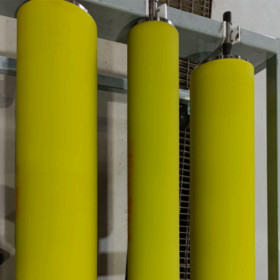
UIS installs recoating solution at 2 GW solar wafer factory in India
UIS Technologies has commissioned polyurethane (PU) recoating and regrooving solutions for wire guide rollers (WGRs) at Adani’s 2 GW solar ingot-wafer plant in Gujarat, India.
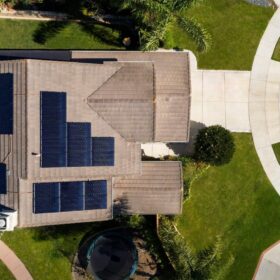
Texas leads VPP adoption with deregulated market
Texas is uniquely suited to adopt virtual power plant (VPP) technology due to its competitive, deregulated market. Its success highlights the “perverse incentive” of vertically integrated utilities in other US states to make capital expenditures without discretion to raise profits.
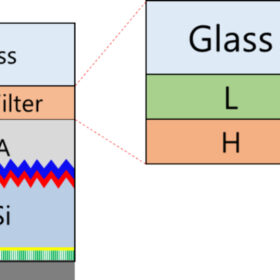
TU Delft scientists develop optical filter to improve IBC solar module performance
Researchers at the Delft University of Technology have designed an optical filter for the thermal management of IBC photovoltaic modules. The proposed technology can reportedly reduce the cell operating temperature by up to 2.5 C and extend the lifetime of a PV module by up to 2 years.
Australian developer plans 2 GW renewables project
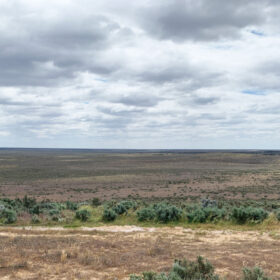
Squadron Energy has filed documents with the state government of New South Wales, Australia, in a forward step on its proposed 2 GW Koorakee Energy Park, which will include a 1 GW solar farm and 1 GW of wind energy, backed by a 1 GW/12 GWh battery energy storage system.

Uzbekistan to build its first big battery
Nur Bukhara Solar PV LLC FE, a project company owned by Masdar, will deliver a 63 MW battery energy storage system alongside a 250 MW solar plant in south-central Uzbekistan.
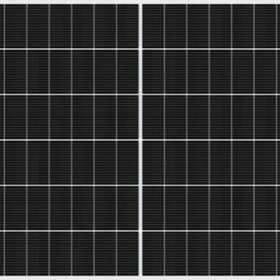
REC launches 640 W heterojunction solar module with 22.5% efficiency
REC has developed a new series of heterojunction solar panels with efficiencies up to 22.5% and an operating temperature coefficient of -0.24% per degree Celsius.
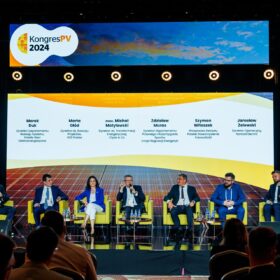
Key takeaways: Kongres PV, Warsaw
Fairer curtailment, greater grid flexibility and better regulation were all on the industry wish list at Kongres PV. From cable pooling to direct lines, Poland hasn’t been afraid to innovate in its approach to renewables deployment – but there is plenty of room for improvement.
