California bill introduced to mandate a VPP implementation plan
Virtual power plants, which could save state ratepayers an estimated $550 million per year, are connected aggregations of distributed energy resources like rooftop solar and energy storage.

China begins building first GW-scale residential VPP
China is building its first gigawatt-scale residential virtual power plant (VPP) in Jiangsu province. The project will connect millions of high-power household appliances to a cloud-based energy pool to improve grid stability and boost renewable energy use.
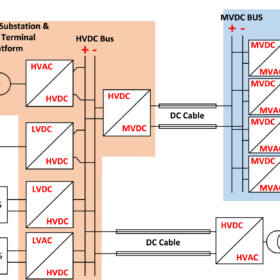
Maltese scientists design offshore virtual power plant integrating PV, wind, storage
The proposed virtual power plant (VPP) integrates a platform-to-ship (P2S) setup to electrify anchored and bunkering ships, while also providing surplus electricity to the country’s grid. The system was designed to operate through a 200 MW floating wind farm and a 300 MW floating PV plant, with battery and compressed air systmes being used for energy storage.

Engie secures 10-year virtual PPA from Coca-Cola in Australia
Coca-Cola has signed a virtual power purchase agreement (PPA) brokered by France-based Engie, to source renewable energy and associated credits from the Wellington North Solar Farm in the Australian state of New South Wales.

Enpal, Entrix reveal plans for Europe’s biggest VPP
Enpal and Entrix aim to build Europe’s largest virtual power plant (VPP) via their new Flexa joint venture. They plan to integrate PV systems and other decentralized energy producers and consumers into a multi-gigawatt network with an AI-powered electricity trading platform.

Renew Home launches virtual power plant solution
Renew Home, a partnership between Google Nest Renew and OhmConnect, aims to expand from 3 GW of electrical energy use to 50 GW by 2030.
German companies unite to bring virtual power plants to mid-sized businesses
Germany’s Electrofleet has invested in its virtual power plant technology partner Dieenergiekoppler. The two collaborate to enable mid-sized businesses to use self-produced renewable energy based on fixed price contracts. Dieenergiekoppler’s latest financing round solidified the collaboration.

Weekend Read: The solar-battery-EV dream
For those who combine solar, batteries, and electric vehicles (EVs) at home, driving on sunshine is a realistic goal. However, there are many factors to consider when analyzing the economic payoffs, as well as the technical possibilities and limitations of such systems.
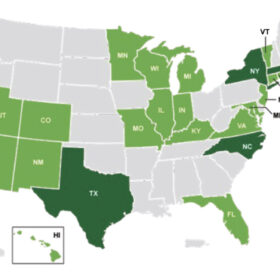
Solar industry should focus on virtual power plants, says US official
Solar industry veteran Jigar Shah, the director of the US Department of Energy’s (DoE) Loan Programs Office, says that virtual power plants are the path to success, as solar net metering now faces an uncertain future.
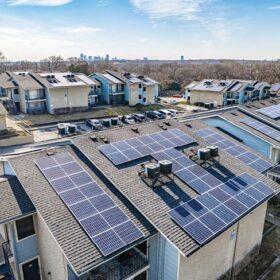
Virtual power plants roll out across the U.S.
Virtual power plants (VPPs) coordinate distributed resources and demand for a more resilient, cost-effective energy transition. And they are gaining traction in the United States.
