Novel algorithm estimates global maximum power point in partially shaded PV systems
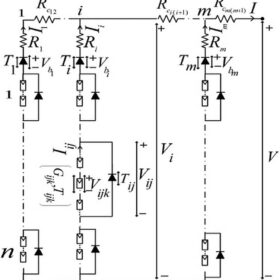
Developed by scientists in India, the global maximum power point (GMPP) technique is based on the voltage and current of strings in a PV array. The research group tested it in computer simulation, as well as through an experimental setup.
The Hydrogen Stream: Rising demand driving blue hydrogen plans
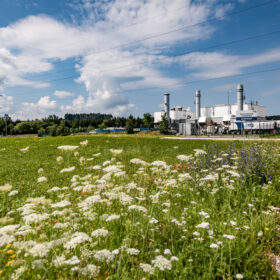
Air Products has announced plans for Europe’s largest blue hydrogen production plant, while RAG Austria says it has commissioned “the world’s first 100% hydrogen storage facility in a porous underground reservoir.”
Chinese PV Industry Brief: Guosheng starts building 10 GW HJT cell factory
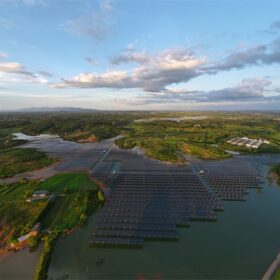
Guosheng says it will invest CNY 5.2 billion ($722 million) in a new 10 GW heterojunction (HJT) solar cell production facility.
Ascent Solar announces 17.55% efficiency for CIGS tech
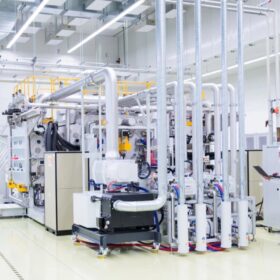
Ascent Solar, a US-based manufacturer, has achieved an efficiency of 17.55% for its copper, indium, gallium and selenide (CIGS) technology. It says it plans to release a new CIGS solar module with this efficiency rating soon.
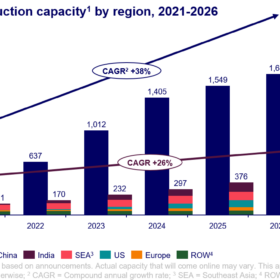
China expected to dominate solar manufacturing through 2026
A Wood Mackenzie report forecasts that China will hold more than 80% of poly, wafer, cell and module manufacturing capacity for the next three years.
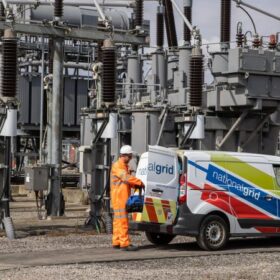
UK grid operator streamlines 10 GW of battery storage
Plans to connect around 10 GW of battery energy storage projects in England and Wales are now in the fast lane. This comes on top of 10 GW of capacity unlocked at distribution level, including shovel-ready solar farms, onshore wind, and battery storage projects.
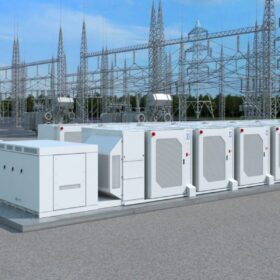
India’s NTPC tenders 3 GW of renewable storage
NTPC, an Indian state-run power producer, recently tendered 3 GW of renewable storage and an engineering, procurement and construction (EPC) package for 630 MW of solar projects.

SunDrive secures funds to expedite production of silver-free HJT solar cells
SunDrive Solar, a Sydney-based startup working to replace the silver in solar cells with copper, has obtained AUD 11 million ($7 million) from Australian Renewable Energy Agency (ARENA) to expand its metallized cell production to a commercial scale of more than 100 MW per annum.
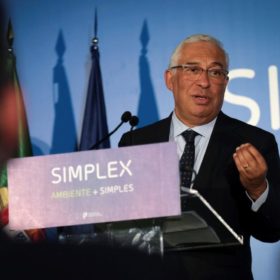
Portugal’s prime minister under investigation for alleged lithium, hydrogen corruption
Portuguese police today raided the residence of the country’s Prime Minister, António Costa, as part of a corruption probe involving lithium and hydrogen. Ministers of Climate Action and Infrastructure, Duarte Cordeiro and João Pedro Matos Fernández, have also been declared formal suspects.
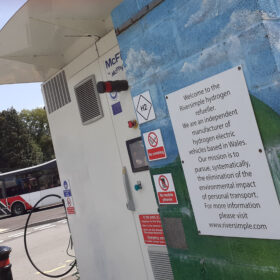
Europe should produce its own green hydrogen
As the cost of generating clean energy continues to fall, producing green hydrogen in Europe, rather than importing it from Africa – with all the transport costs and raised carbon footprint that would entail – is beginning to look like an increasingly viable option.
