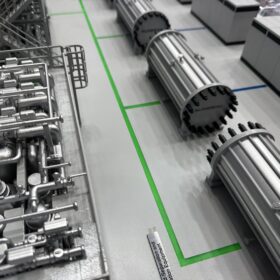
The Hydrogen Stream: RWE commissions 100 MW hydrogen electrolyzer
RWE has started commissioning a 100 MW electrolyzer in Germany to supply renewable hydrogen under long-term contracts, while Hydrogen Utopia International and Hydrogen Systems are advancing plans to build waste-to-hydrogen plants in Saudi Arabia.
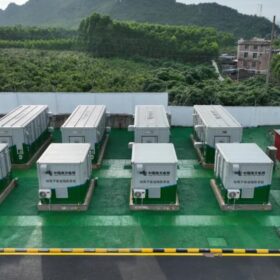
Sodium-ion battery cells already near lithium-ion cost parity, set to get cheaper
By 2050, sodium-ion batteries with fast learning rates could deliver storage at 11–14 €/MWh – cheaper than lithium-ion at 16–22 €/MWh – while also offering higher energy-to-power ratios and high cycle durability, a new research finds.
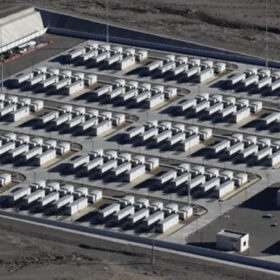
China’s switches on world’s first GWh-scale supercapacitor-energy storage project
The 500 MW/1 GWh Jiayuguan NingSheng project combines lithium batteries and supercapacitors to support grid stability and renewables integration.
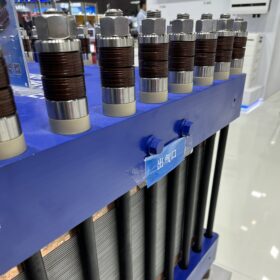
Hydrogen faces ‘year of reckoning’ in 2026, says Wood Mackenzie
Wood Mackenzie’s 2026 market outlook for hydrogen expects non-biological origin hydrogen to gain momentum and ammonia crackers to reach commercial scale but predicts the Middle Eastern market to retreat and the EU to abandon its industrial hydrogen mandates.
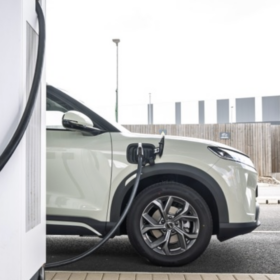
Australia makes gains in electric vehicle uptake
Australia recorded a sharp rise in electric vehicle sales in 2025, with new-car sales data showing nearly 157,000 EVs were purchased nationwide, up 38% from the previous year.
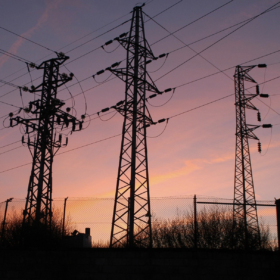
French regulator highlights flexible grid connections, battery queue pressures
France’s energy regulator says wider use of flexible grid connections is becoming essential as solar and battery projects compete for limited network capacity, with storage connection queues now totaling 2.8 GW.

Australia’s biggest battery starts commercial operations
The first stage of the biggest approved battery project in Australia is now fully operational with Origin Energy announcing the initial stage of the 700 MW / 3,160 MWh battery energy storage system being built next to its Eraring coal-fired generator in New South Wales has commenced commercial operations.

Poland’s massive new airport project to host utility-scale solar-plus-storage project
Poland’s Central Transport Port company tendered 20 MW of solar PV plus 50 MW of battery storage capacity with a working time of two hours. The project’s capacities could be expanded in the future, when the Port Polska airport will be fully operational.

New European solid-state battery business targets commercial production
Axen, Syensqo and IFPEN establish new company to produce high performance sulfide solid electrolytes for solid-state batteries in Europe. New company Argylium will develop its electrolyte portfolio at facilities in France.
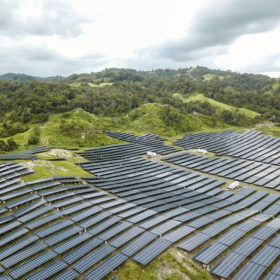
Grid code standards key to unlock Indonesia’s solar potential
New research shows how modern technical standards, combined with broader regulatory and grid reforms, are essential to ensure system reliability in the Indonesian electricity system as renewable capacity grows.
