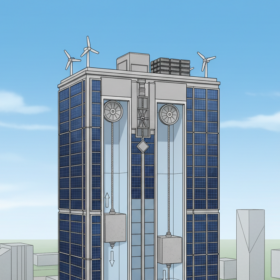
High-rise buildings could soon use gravity energy storage, say researchers
Researchers in Canada have proposed using gravity-based energy storage in high-rise buildings, in combination with photovoltaic facades, small wind turbines, and lithium-ion batteries. Their modeling indicated that this hybrid system could achieve a levelized cost of energy ranging from $0.051/kWh to $0.111/kWh.

Philippines approves world’s largest solar project for grid connection
The Energy Regulatory Commission (ERC) of the Philippines has given the MTerra Solar Project permission to develop its own dedicated transmission facilities and connect to the Luzon grid. The first phase, encompassing 2.5 GW of solar and 3.3 MWh of battery storage, is due for completion in 2026.

Prototype magnesium battery operates at room temperature in breakthrough
New research reopens the question around magnesium-based battery viability at room temperatures.
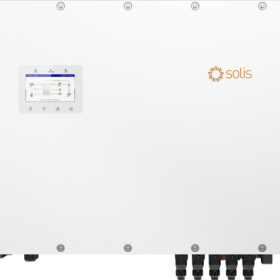
Solis unveils 75–125 kW hybrid inverter for C&I solar
The Chinese manufacturer said its new inverters can deliver 160% overload for 200 ms in off-grid mode, ensuring stable startup of heavy loads. The IP66-rated products feature a maximum efficiency of 97.6% and a European efficiency of 97.2%.

Negative pricing reshapes solar finance as investors turn to storage for flexibility in Europe
Growing price volatility and the rise of negative pricing across power markets are pushing lenders and developers to rethink risk and revenue structures, focusing on asset flexibility and sustainable business models for storage, including co-location.
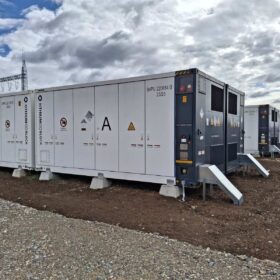
Renalfa switches on 260 MWh battery storage system in Bulgaria
The battery energy storage system is the first phase of a 315 MW/760 MWh system that is being developed alongside 238 MW of solar under Bulgaria’s largest hybrid power project to date, due for completion next year.
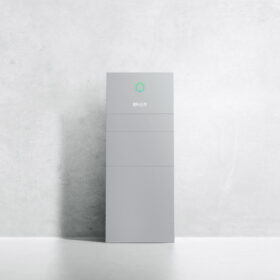
WHES releases all-in-one home storage system
The single-phase system delivers an output ranging from 3,680 W to 10,000 W and offers a storage capacity between 4.992 kWh and 19.968 kWh. The new product is based on LFP batteries.

The Hydrogen Stream: Australia opens second Hydrogen Headstart round
The Australian government has aunched the second round of its Hydrogen Headstart program to provide revenue support for large-scale renewable hydrogen projects, while the UK government is seeking industry input on rules for hydrogen-to-power participation in its capacity market.
SolarPower Europe suspends exclusion proceedings for Huawei
SolarPower Europe has suspended efforts to exclude Huawei, launched in May amid a European Union bribery probe. Despite remaining a member of SolarPower Europe, the Chinese company agreed not to participate in the association’s activities due to EU-imposed restrictions.
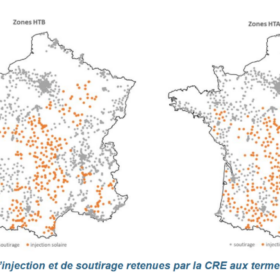
France revises grid tariffs to spur smarter battery storage use
France’s updated TURPE 7 framework adds an annual injection-withdrawal charge to incentivize battery energy storage system (BESS) operators to balance grid loads during high demand or surplus generation periods.
