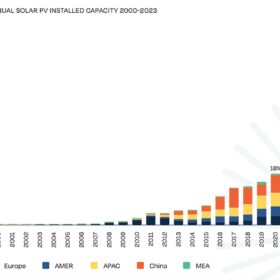
SolarPower Europe says 1 TW of solar could be annually installed by 2028
SolarPower Europe forecasts more than 1 TW of annual solar installations by 2028, but financing and energy system flexibility must be unlocked.
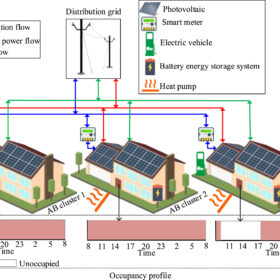
Peer-to-peer energy trading framework for residential buildings
Scientists in the UK developed a controller for B2B trading platform that considers thermal and visual comfort. Their modeling shows that participating in local energy trading increases the robustness of the control systems in residential microgrids in face of uncertainty in the occupant comfort level.
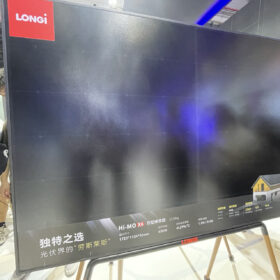
Longi launches ultra-black HPBC solar modules for residential applications
The Chinese manufacturer said its new Hi-MO X6 Artist series has an efficiency of up to 22.3% and a power output ranging from 420 W to 430 W. The smaller version is currently priced at CNY 298 ($41.7)/m2 and the largest model is sold at CNY 268/m2.

Greece shuns net metering
A recent law voted by Greece’s Parliament has closed the net metering scheme to the vast majority of electricity users. The government aims to replace it with a net billing scheme, which the photovoltaic sector has been waiting for more than a year.

Another U.S. residential installer announces business closure
An email informed the employees of U.S. residential installer Titan Solar that the company had ended operations.
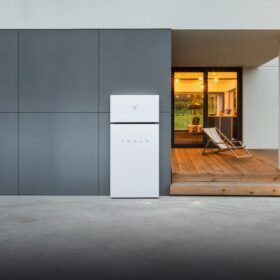
Octopus Energy, Tesla announce service integration in UK, Spain
The partnership between the two energy tech giants will see Octopus install solar powered home battery Tesla Powerwall and Tesla customers utilize Octopus’ range of smart tariffs.
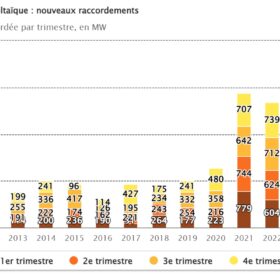
France deploys 1 GW of solar in Q1
France installed 1 GW of solar in the first quarter, reaching 21.1 GW cumulative PV capacity by the end of March.
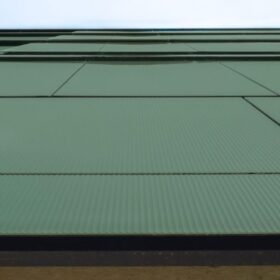
Colored BIPV manufacturers and success factors
A Swiss research team published a review of the technologies used to manufacture of colored building integrated PV, discussing competitive characteristics of more than a dozen products, as well as success factors to drive market development.
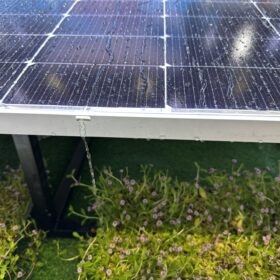
JA Solar debuts 23.3%-efficient single-glass, anti-dust solar panel at SNEC
The new module has a power output of up to 650 W and weighs 29.6 kg. It uses JA Solar’s patented anti-dust frame technology, which reportedly enhances drainage and decontamination performance, thus reducing dust accumulation and avoiding hotspot issues.

2024 Outlook: What could La Niña mean for US solar this year?
In a new weekly update for pv magazine, Solcast, a DNV company, describes the possible consequences for PV plan and grid operators of a possible switch to La Niña conditions in North America. These conditions lead to more hurricanes, convection and cloudiness in the Gulf of Mexico, resulting in decreased solar irradiance. In contrast, the Atlantic coast of the USA has historically seen up to 5-10% above-average irradiance during summer months in previous La Niña events.
