
Thermocold launches new air-to-water heat pumps
The Italian manufacturer said its new heat pumps use R454B as a refrigerant and have coefficient of performance of up to 3.35.
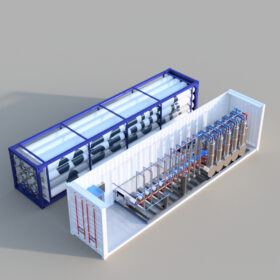
Compressed air energy storage system for homes, businesses
Segula Technologies has launched its Remora Stack product, a containerized isothermal air compression storage solution the company claims is 70% efficient.

Mandatory switch to smart meters on track in Flanders
Belgian grid operator Fluvius says it is on course to finish installing smart meters in all solar-powered homes in the Belgian region of Flanders by the end of this year.

Pakistan’s net-metering solar capacity hits 4 GW
Pakistan’s net-metering solar capacity surpassed 4 GW in 2024, marking significant growth in its solar market ahead of upcoming changes to the program later this month.

Vaillant, Fraunhofer ISE present residential heat pump with new safety concept
The novel heat pump system relies on a thermal sensor based on an adsorbent-coated sensor layout developed by Vaillant in cooperation with the Fraunhofer Institute for Solar Energy Systems (Fraunhofer ISE). This technology is reportedly effective in preventing propane from forming an ignitable mixture with air outside the device.
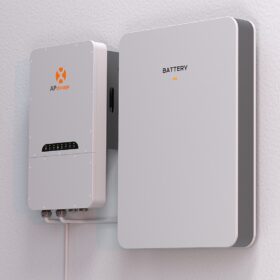
Home batteries vs. power generators
Assessing the difference in cost, functionality and operations of fueled generators versus home batteries.
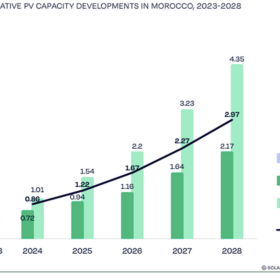
Morocco could hit almost 3 GW of solar by 2028, says SolarPower Europe
Morocco could reach 2.97 GW of solar capacity by 2028 under a medium-case scenario, with potential to hit 4.35 GW in a high-growth outlook, according to a new report by SolarPower Europe.

Triple Solar unveils PVT-assisted heat pump using waste heat from PV
Triple Solar BV has developed a residential photovoltaic-thermal (PVT) heat pump that uses waste heat from PV modules, eliminating the need for an outdoor unit.
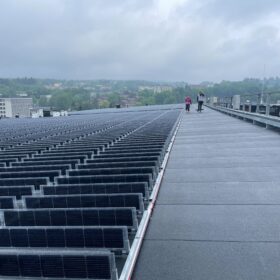
At high latitudes, vertical PV is more profitable in February than horizontal panels in June
A 248 kWp solar system deployed on the roof of Oslo’s Ullevaal Stadium was found to be more profitable in February than a comparative horizontal array in June. The vertical panels’ ability to generate more energy in winter months than horizontal equivalents helped save more money against Norway’s typically high electricity prices in winter.
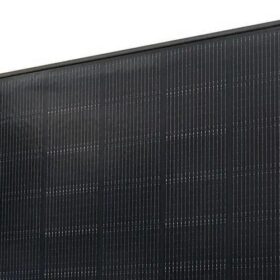
Viridian Solar launches 23.6%-efficient TOPCon BIPV panel
The UK company says the new modules have a rated power output of 445 W and can reportedly guarantee a power yield of 95% after 10 years.
