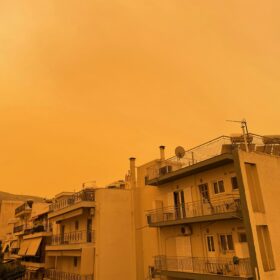
Saharan dust events can reduce PV power output in Mediterranean area by up to 50%
New research from Hungary shows that Sarahan dust events can reduce PV power output in five Mediterranean countries by an average of 25-40%. The scientists stressed the need for including real-time dust monitoring and cloud interactions in solar forecasting.

EIA to cancel US solar module shipment report after review
The US Energy Information Administration (EIA) has proposed ending its solar module shipment report, citing limited value compared with reporting burdens.
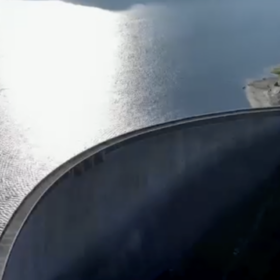
Magtel wins €500 million Spain tender for 289 MW pumped hydro with solar
Magtel has secured a tender for a €500 million ($586 million) 289 MW/2,554 MWh pumped hydro project in Spain that will be colocated with 229 MW of solar.
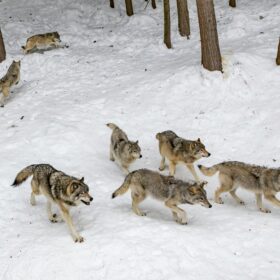
Novel MPPT methodology uses grey wolf hunting as inspiration
Researchers have developed a maximum power point tracking algorithm based on the social hierarchy and hunting strategy of grey wolves. When tested under realistic shading conditions, the grey wolf optimizer achieved an average MPPT efficiency of 98.15%, significantly outperforming conventional MPPT methods.
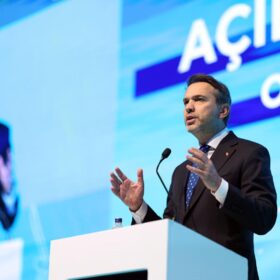
Türkiye to tender 850 MW of solar
Turkiye’s next renewable energy tenders plan to allocate 850 MW of solar alongside 1,150 MW of wind across November and December. A ceiling price of €0.055 ($0.065)/kWh has been set, alongside floor prices of €0.0325/kWh for the solar tenders and €0.0350 for the wind tenders.
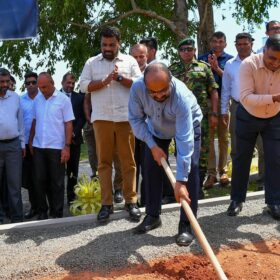
Sri Lanka breaks ground on 100 MW solar project
Sri Lanka has started building its largest renewable project, a $140 million, 100 MW solar park with 12 MWh of storage. It is expected to annually generate 219 GWh and cut $69.7 million in diesel imports by 2027.
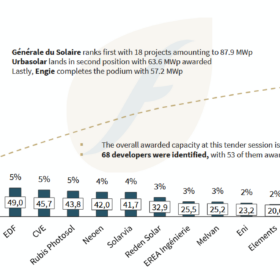
France allocates 971 MW in ground-mounted PV tender
The French government has awarded 165 projects at an average price of €0.07948 ($0.09315)/kWh in its latest ground-mounted PV tender.
The Hydrogen Stream: France, Germany back nuclear H2, Southwestern Corridor
France and Germany have pledged support for the Southwestern Hydrogen Corridor and have agreed to collaborate on nuclear-based hydrogen support and joint research.

The Cybersecurity gap in solar and how to close it
In recent months, solar energy has been recognised by the EU Commission as critical grid infrastructure, with a growing awareness around cybersecurity in particular raising questions about Europe’s energy security. In this article, solar cybersecurity specialist Uri Sadot – Managing Director at SolarDefend and Elected Chairman of SolarPower Europe’s Digitalization Group – discusses what PV installers, developers, EPCs and system owners can do to better protect themselves – and the grid.
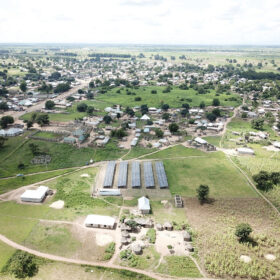
Digital transformation in off-grid solar: A comprehensive roadmap for practitioners
As off-grid solar systems expand to serve remote and underserved communities worldwide, digitalization has become a crucial need for efficient project development, implementation, and long-term sustainability. A new report from IEA PVPS Task 18 systematically explores digital tools across the entire off-grid energy project value chain, providing much-needed guidance for practitioners looking to optimize their operations.
