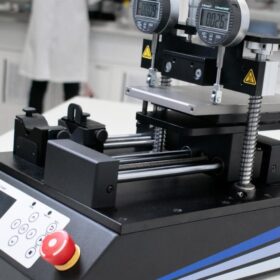
New lab-sized slot die coater for thin film PV
Ossila, a U.K.-based scientific equipment and materials supplier, has launched a new version of its slot die coater for research labs. It is suitable for teams working on thin film photovoltaics at the scaling-feasibility test stage.
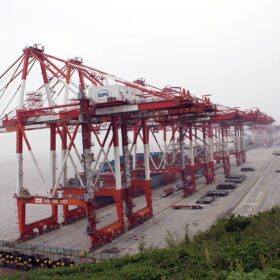
China cuts export tax rebate for solar products
China has reduced the export tax rebate for solar products, lowering refunded taxes for Chinese PV exporters and eating into their profit margins. The move might force some companies to increase export prices to mitigate potential financial losses.
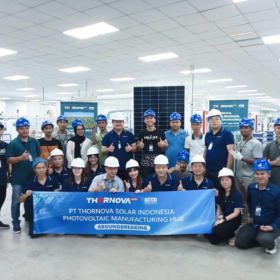
Thornova Solar starts solar module production in Indonesia
Thornova Solar has started producing solar modules in Indonesia. The company says the move is in line with changing US market regulations. It plans to supply customers with modules from Indonesia or the United States by mid-2025.
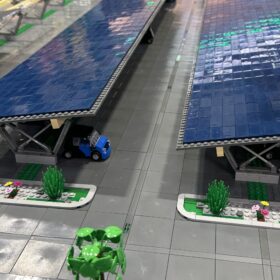
France publishes new provisions making solar mandatory on parking areas
France has enacted provisions mandating solar installations on parking areas, detailing calculation methods, exemptions, and fines for non-compliance.

Longi unveils heterojunction BC solar cells with 27.3% efficiency
The Chinese manufacturer said the device is based on dense passivating contacts that reduce parasitic light absorption and improve passivation. It used a streamlined manufacturing technique that is reportedly about one-third more effective than TOPCon mainstream technology.
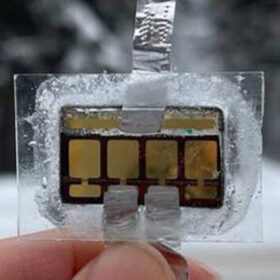
New encapsulation method boosts perovskite solar cell efficiency by 8%
Scientists at Aalto University in Finland have demonstrated a one-step encapsulant method for perovskite solar cells that provides shielding from oxygen and moisture-induced degradation and a significant relative improvement in efficiency.
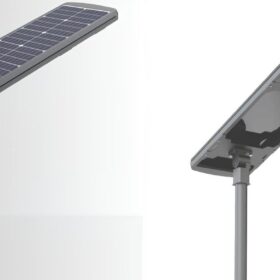
Solar LED streetlight with integrated PV panels, battery
Taiwan-based electronics manufacturer Para Light Electronic has launched a compact solar LED streetlight with integrated PV panels and battery to provide up to 15 hours of area-lighting for pedestrian walkways and roads.
Meyer Burger loses biggest customer, questions business viability
Swiss solar manufacturer Meyer Burger faces a significant setback as its largest U.S. customer, D.E. Shaw Renewable Investments, has terminated a long-term agreement to purchase solar panels from its Arizona facility.
Chinese PV Industry Brief: Tongwei starts due diligence on bid for Runergy
Tongwei has initiated due diligence on its CNY 5 billion ($691.8 million) bid to acquire Chinese solar maker Runergy, aiming to secure at least 51% of its equity. The deal, which would be the largest in the PV sector this year, remains subject to changes or potential termination.

Understanding renewable energy ‘drought’ at solar, wind sites
An international research team based across Canada, China and the US have said developers must stop focusing not only resource availability, and also consider resource variability and resource extremeness, to avoid renewables “drought” at solar and wind sites.
