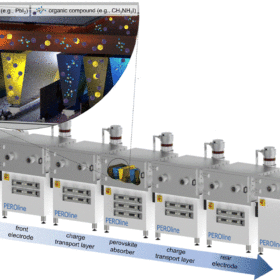
Vapor-based deposition key to commercialize perovskite solar
Researchers from ten countries assessed the prospects of using vapor-based deposition processes to put perovskite thin film processing on the fast track to commercialization, drawing attention to its merits and key areas to research and develop.
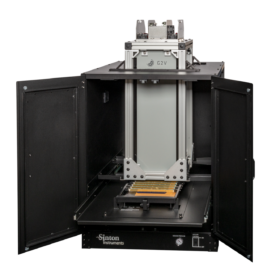
Solar simulator for perovskite-silicon tandem PV cells, modules
A new measurment and solar simulator instrument designed for perovskite-silicon tandem cells and encapsulated mini-modules is the latest product from a collaboration between Canadian solar simulator supplier G2V Optics and U.S.-based measurement instrumentation company Sinton Instruments.
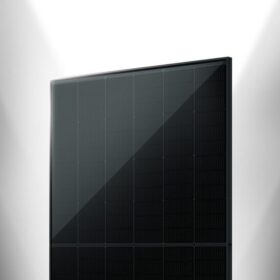
Trina Solar launches all-black 450 W solar modules
Trina Solar has developed all-black, 450 W solar modules, featuring n-type tunnel oxide passivated contact (TOPCon) solar cells, with a power conversion efficiency of 22.5%.

Perovskite thin film: Out with the old, in with the new
Silicon-perovskite tandem solar requires optimization of both approaches, and embodies the weaknesses of each. Meanwhile, the use of pure thin-film devices offers a cheaper, simpler, and more sustainable PV solution for the United States.
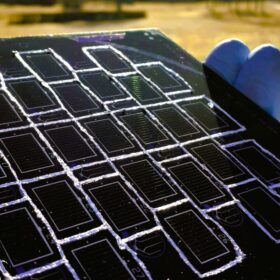
First Solar’s unit, Uppsala University present CIGS solar cell with world record efficiency of 23.64%
The new solar cell achieved a maximum power conversion efficiency of 23.75% and a certified efficiency of 23.64%, thus beating the previous world record of 23.35% achieved in 2019 by Japan’s Solar Frontier. The result was confirmed by the Fraunhofer ISE.
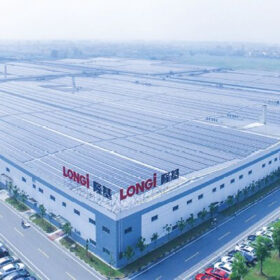
Longi, Ferroglobe sign long-term silicon supply deal
Longi and Ferroglobe have signed a long-term agreement for supplies of quartzite and metallurgical grade silicon (MGS). The deal has been in effect since the start of the year.

EU to support European PV industry, says no to import duties
SolarPower Europe has held a two-day event to address tensions between rapidly growing PV capacity and the desire to establish a solar industry on the continent.
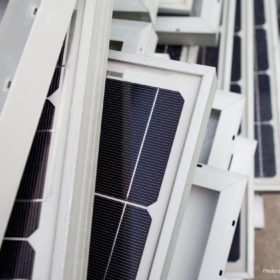
Manufacturers responsible for PV module disposal, confirms EU
The European Council has adopted new amendments to clarify which entities should bear the costs of managing electronic waste, including PV modules.

New solar carport from France
French pergola specialist Heolian has presented its new Atrium Electron carport solution. The system is equipped with 21.8%-efficient 425 W bifacial modules produced by French manufacturer Duoenergy and microinverters.
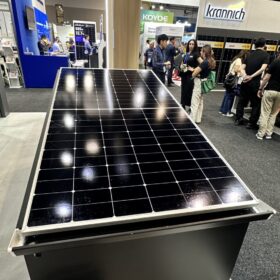
Longi launches anti-dust solar module for C&I segment
Chinese solar manufacturer Longi has developed a new “anti-dust” module for the commercial and industrial (C&I) market in Australia. The frame sits flush against the glass on the short side, allowing water to wash off.
