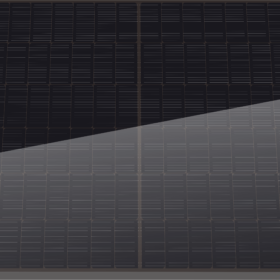
DMEGC unveils new solar modules based on rectangular wafers
Chinese manufacturer DMEGC says its rectangular wafers provide greater compatibility than traditional versions and can be easily adapted to a range of application scenarios. The biggest of the two new module product lines, designed for large-scale applications, has a power conversion efficiency of up to 22.9%.
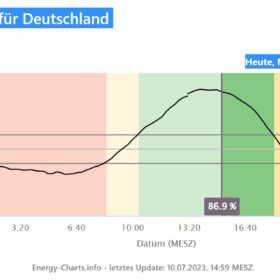
Fraunhofer ISE launches app to maximize consumption of renewables
Germany’s Fraunhofer Institute for Solar Energy Systems (ISE) has launched a smartphone app to help consumers use more electricity at times of high renewable energy availability.
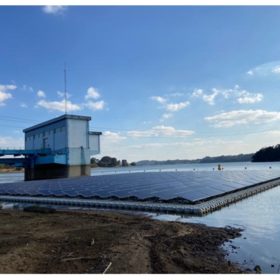
SolarPower Europe publishes guidelines for floating PV
SolarPower Europe has published guidelines for floating solar to offer an overview of the European market and the global landscape, with practical advice for project developers.
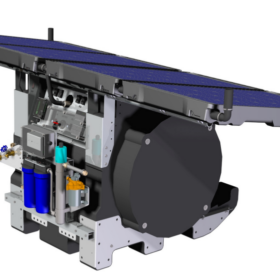
Portable off-grid solar devices provide electricity, water filtration, hot water
Power Panel has developed a portable PV device to support humanitarian needs and off-grid living.
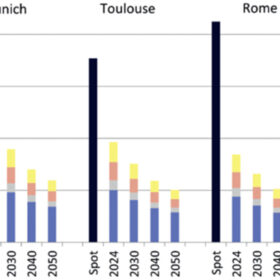
Solar LCOE may decrease by up to 20% in Europe by 2030
In its latest monthly column for pv magazine, the European Technology and Innovation Platform for Photovoltaics (ETIP PV) presents its levelized cost of electricity (LCOE) calculations for several European locations in period between 2023 and 2050. The organization forecasts that solar LCOE in Europe may fall by up to 50% by 2050.
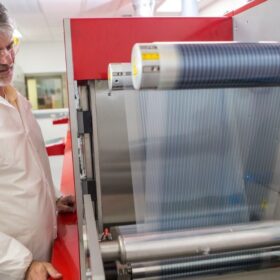
Danish slot die coating equipment manufacturer raises capital for expansion
Denmark-based slot-die coating equipment manufacturer FOM Technologies raised DKK 43.60 million ($6.3 million) to finance the next stage of growth, which includes expansion of sales in the United States.
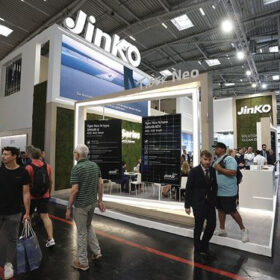
Chinese PV Industry Brief: JinkoSolar to sell 49% of storage subsidiary
JinkoSolar says it plans to sell a 49% stake in Jinko Energy Storage to investment firm Haining Xinchao.
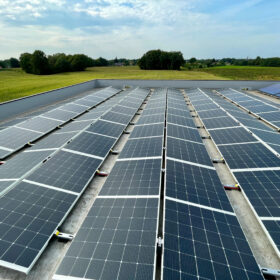
Lightweight PV system solution for commercial buildings with limited load-bearing capacity
Dutch solar PV manufacturer Solarge is deploying a novel lightweight rooftop solution across several commercial buildings in the Netherlands. Instead of glass, the special modules developed by the company use strong and light polymers, which the company said result in a module weight per square meter of 5.5 kg.
French startup offers AI algorithm package for rooftop PV monitoring
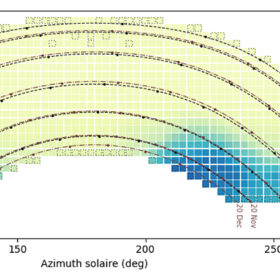
France-based Heliocity has developed HelioFlash, a series of artificial intelligence algorithms that assess PV systems on buildings, while offering recommendations to improve operations.
Bifacial PV on rooftops can provide energy yield gains of up to 22.6%
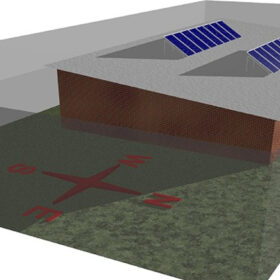
Scientists in Australia have combined Monte Carlo Ray Trace (MCRT) techniques and electrical modeling to assess the potential energy gains of bifacial rooftop PV systems compared to monofacial arrays. They found that rooftop reflectivity is a key factor in increasing a bifacial PV system performance, and that system and module design should also be carefully considered.
