
EcoFlow unveils Delta 3 Max and Ultra portable power stations
EcoFlow’s well-known Delta 3 portable power station range has been refreshed in North America, with new branding covering a wider range of options.
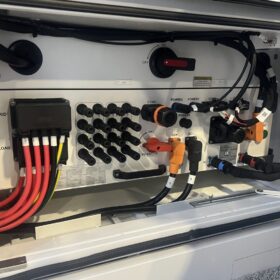
Zombie apocalypse-ready solar-plus-storage kit
JDEnergy introduced its eBlock 100C, eStation MV-6880, combined control systems, and the milestone deployment of its 20,000th energy storage block.

Australia registers first eight-hour duration grid battery
Australia has commissioned its first eight-hour-duration battery energy storage system, marking a key milestone in the nation’s transition to renewable energy.
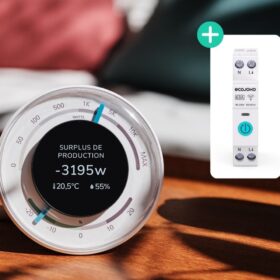
French startup offers water heater control to boost PV self-consumption
French startup Ecojoko has introduced a contactor that controls electric water heaters to raise solar self-consumption, with field tests underway since the summer.
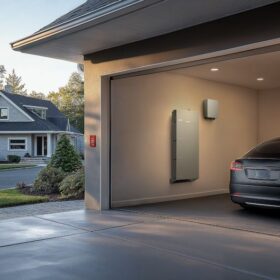
EcoFlow launches energy management system providing whole-home backup
Global energy company EcoFlow’s latest product, Gateway, is a wall mounted hardware system that can be installed indoors or outdoors and is compatible with third-party inverters and diesel generators as well as EcoFlow’s own extensive product suite.

Panasonic testing new energy management system to combine solar, heat pumps, batteries
The Japanese company said the first pilot projects are being carried out in the Tokyo metropolitan area with the support of Japanese oil giant Eneos.

Montenegro utility launches 240 MWh battery storage tender
EPCG, Montenegro’s state utility, aims to procure two grid-scale battery storage systems (BESS) totaling 240 MWh in a €48 million ($55.9 million) tender.
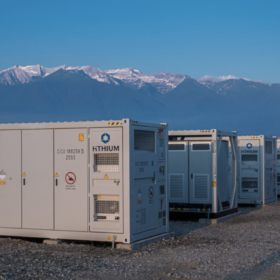
Bulgaria launches consultation on 1.9 GWh energy storage subsidy
The Bulgarian Ministry of Energy has opened a public consultation for a new round targeting 1.9 GWh of standalone storage capacity, building on the success of its initial RESTORE procurement, which backed nearly 10 GWh of energy storage development.
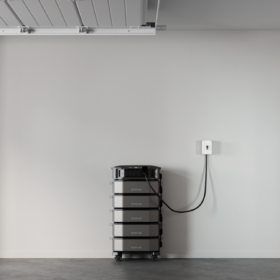
EcoFlow launches stackable battery system in Australia
US manufacturer EcoFlow has introduced a 6 kWh residential battery and backup system in the Australian market, expandable to 30 kWh.

Data center firms could buy utilities and add renewables, says trade group exec
Data center firms could purchase electric utilities and add renewable generation in the United States, says Simon Mahan, executive director of the Southern Renewable Energy Association, which represents the wind, solar, storage and transmission sectors.
