
Huaneng energizes 5.4 GW hydro-solar complex in southwest China
Huaneng has commissioned the 5.43 GW Xiaowan Hydropower–Solar Hybrid Project in Yunnan, combining 4.2 GW of hydropower and 1.23 GW of solar under a coordinated “hydro–solar intelligent control” system integrating 16 PV plants.

Meta gains early access to 1 GW of space-based solar power
Through an agreement with Overview Energy, Meta is seeking to bypass terrestrial grid constraints by beaming near-infared light from space to terrestrial solar plants to power high-density AI workloads.

Oxford PV says tandem solar could add up to 5 km to daily EV range
Oxford PV has joined Nissan’s SUITE consortium, advancing perovskite-silicon tandem solar tech that could boost vehicle-integrated solar EV range by an additional 3–5 km per day and push total daily solar driving range toward 15–20 km.
New Zealand’s grid operator finds emerging energy gap in early 2030s
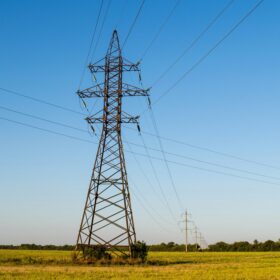
Transpower’s latest assessment of New Zealand’s balance between electricity supply and demand suggests an energy gap could emerge in the early 2030s, even if all committed and likely investments are delivered without delay.

Chinese solar exports surge 125% in March on policy change rush, not underlying demand acceleration
The Chinese customs data show a March surge as buyers rushed shipments ahead of April’s tax-rebate change.

Pakistan plans to scrap licensing fee for PV systems up to 25 kW
The move seeks to reverse aspects of the Nepra Prosumers Regulations 2026, which centralized approvals and is creating delays and financial barriers for rooftop solar adoption.

Key takeaways from Austria’s Solar Solutions
Around 100 exhibitors presented their products at the Vienna trade fair. Visitor numbers were limited, partly because the event coincided with the launch of the first funding call for photovoltaic systems and storage this year.

Record solar, wind surge drives 3.3% drop in India’s fossil generation in 2025
India’s renewable power generation from solar, wind, hydro and bioenergy rose by a record 98 TWh (+24%) in 2025, driven by strong growth in solar and wind, according to Ember. The increase was twice the country’s electricity demand growth of 49 TWh, which was relatively low due to milder temperatures and slower industrial activity. As a result, India’s fossil power generation fell by 3.3%.

U.S. government sets preliminary anti-dumping duties on solar imports from India, Indonesia, and Laos
The U.S. Department of Commerce has issued preliminary anti-dumping determinations for three key solar-exporting nations, establishing duties of up to 123% on crystalline silicon photovoltaic cells and modules.

‘Breaking barriers is rarely a solo effort’
This week Women in Solar+ Europe gives voice to Sara Kapeller, CEO of Germany’s Twistor GmbH. She says building impactful careers in the renewable energy landscape requires courage, curiosity, and inclusion, turning setbacks into growth and empowering more women to lead technical innovation and shape the future.
