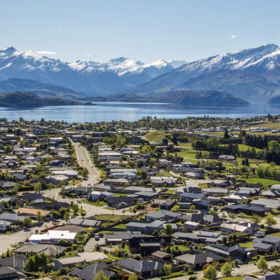
New Zealand sets 10 kW default export limit for rooftop solar
New Zealand’s Electricity Authority has introduced a 10 kW default export limit for residential solar and battery systems to standardize grid access and support higher penetration of distributed energy.

Sigenergy launches Hong Kong IPO
China’s Sigenergy has announced a Hong Kong initial public offering (IPO), with shares open to retail investors until April 13 and backing from major international asset managers.
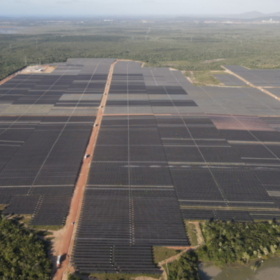
Brazil adds 2.3 GW of solar in first two months of 2026
Brazil installed 2.3 GW of solar capacity in January and February, as centralized generation more than doubled while distributed growth declined.
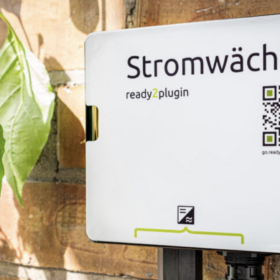
New German rule allows larger plug-in PV without electrician
Germany’s revised VDE standard enables simplified registration of larger plug-in photovoltaic systems and storage, removing previous capacity limits for self-installation.
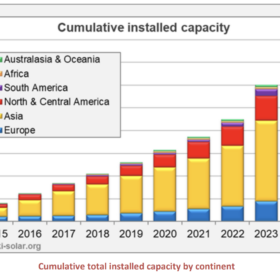
Large-scale solar surpasses 1 TWac worldwide
Analysis from Wiki-Solar finds the world’s 33 largest utility-scale solar markets had a cumulative capacity of 1,008 GWac by the end of last year.

Brazil approves first co-located solar and battery project
Brazil’s National Electric Energy Agency (Aneel) has authorized a 5 MWh battery system co-located with a solar plant, setting a regulatory precedent for integrated storage.
Blackstone and Sunotec enter €250 million partnership
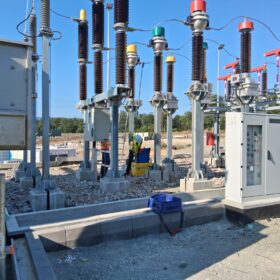
Investment firm Blackstone has announced plans for a partnership with solar and storage project developer Sunotec, via a €250 million ($292.4 million) structured equity investment. The investment will support Sunotec’s project plans in Europe, as well as the company’s expansion into new areas including building grid infrastructure.
Voltalia secures €100 million financing amid restructuring
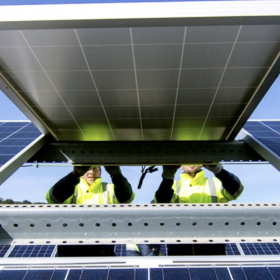
Voltalia has secured €100 million ($116.8 million) in shareholder financing to support its restructuring plan and asset divestment program as it advances its “Spring” transformation strategy.
Vertical rooftop PV debuts in the U.S.
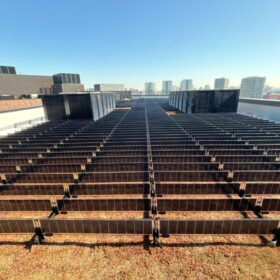
Norwegian vertical solar specialist Over Easy Solar has installed its first rooftop vertical solar installation in the U.S. market. The 100 kW system, combined with a green roof in New York, is expected to deliver around 120,000 kWh annually depending on factors including albedo, azimuth and local shadowing.

Which power markets are most impacted by the Middle East conflict?
Wood Mackenzie’s latest analysis explores how 13 of the world’s leading power markets are impacted by the current fuel crisis, with those most reliant on fuel imports facing the greatest risk exposure. The consultancy says the average cost of generation is set to increase by $2.30/MWh across these 13 markets if a de-escalation of the conflict enables fuel price moderation in the latter half of 2026, increasing to an average of around $8.30/MWh if current elevated price levels persist through the year.
