
Bangladesh reinstates 11 solar plants totaling 918 MW after tariff cuts
Bangladesh reinstated approvals for 11 solar plants with a combined capacity of 918 MW after developers agreed to lower tariffs, in a move expected to save the government BDT 11.69 billion ($96.2 million) per year.
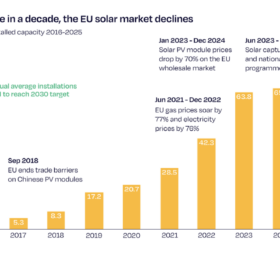
EU installs 65.1 GW of solar in 2025
The European Union’s solar fleet has reached 406 GW, surpassing the EU Solar Strategy’s 400 GW goal for 2025, but SolarPower Europe says the sector’s first contraction in a decade is putting the bloc’s 750 GW target for 2030 at risk.
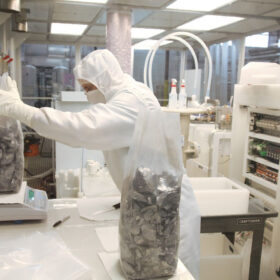
Beijing group creates official entity to guide China’s polysilicon capacity
Industry analysts say a new Beijing-based coordination platform created by China’s top polysilicon producers signals a turn toward managed capacity, as the sector tries to halt a steep price slide and mounting consolidation pressures.

GCL Technology forms $287 million entity to buy stake in Chinese rival
GCL Technology Holdings has set up a CNY 2.06 billion ($287 million) partnership to acquire a 42.5% stake in Inner Mongolia Xinyuan Silicon Material Technology, in a move that may point to emerging consolidation in China’s polysilicon sector.
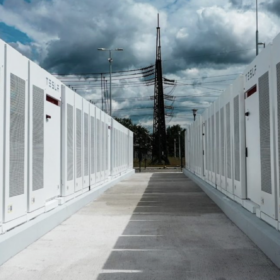
Poland shortlists 183 energy storage projects for EU funding
Poland’s state environmental fund says developers sought PLN 28 billion ($7.7 billion) for 20 GW and 122 GWh of storage projects – nearly seven times the program’s budget, with 183 projects eligible for funding.
Solar Stewardship Initiative publishes guide for solar supply chain
The Solar Stewardship Initiative’s (SSI) new buyers guide targets forced labor risk, supply-chain transparency, and compliance readiness in global solar procurement.

‘Back contact will reach cost parity with TOPCon before end of decade’
During a pv magazine Week Europe 2025 webinar, panelists forecast back contact (BC) solar cells’ market share will draw level with TOPCon towards the end of the decade, before tandem technology begins large-scale momentum in the early 2030s.
US adds 21.2 GW of solar through September 2025
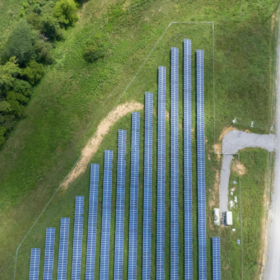
The US Federal Energy Regulatory Commission (FERC) reports that the United States added 21.2 GW of solar capacity in the first nine months of 2025, accounting for most of the 28.2 GW of total power capacity added to the grid.

Japan’s 26th solar auction concludes with average final price of $0.046/kWh
Japan has allocated 75.3 MW of PV capacity in its latest procurement exercise. The lowest price in the auction was JPY 4.97 ($0.032) /kWh.
Brazil adopts legal framework for battery storage
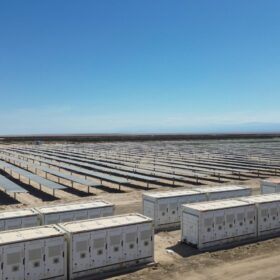
Brazil published Law 15.296 on November 25, establishing a series of changes to laws in its electricity sector including guidelines for the regulation of storage systems, tax exemptions and the reduction of import tax rates on battery energy storage systems and its components to zero.
