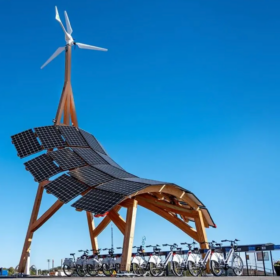
IEA-PVPS updates guidance on integration studies for hybrid wind-PV
The International Energy Agency’s (IEA) Photovoltaic Power Systems (IEA-PVPS) and Wind Energy Systems (IEA Wind) programs have released updated guidance on how to conduct system impact studies in power systems with high shares of solar and wind energy.
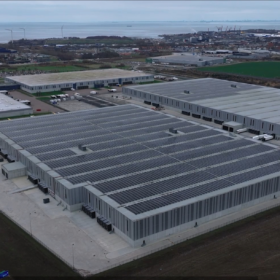
Scandinavia’s largest rooftop PV plant goes online
Scandinavia’s largest rooftop PV plant, a 14 MW array in Landskrona, Sweden, has gone online. The system, consisting of 24,000 JinkoSolar modules, was installed on a warehouse roof by Danish transport company DSV.
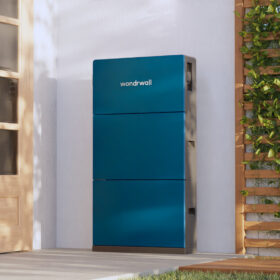
Wondrwall debuts residential AI-based battery
UK startup Wondrwall has developed a hybrid battery-inverter system for homes, offering up to 25.6 kWh of energy storage capacity.
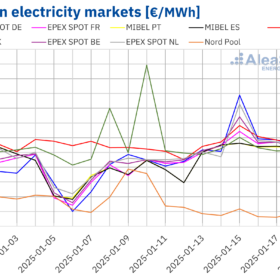
Higher demand, gas prices drive up European electricity prices
Average weekly electricity prices surpassed €130 ($135.12)/MWh in most major European markets during the third week of January as electricity demand and gas prices rose and wind energy production fell, according to AleaSoft Energy Forecasting.

Solar-driven brine management system for hydrogen, chlorine production
Researchers have developed a novel energy system comprising PVT panels, reverse osmosis, reverse electrodialysis, and proton exchange membranes. The proposed setup can purportedly produce 18.78 kg/day of hydrogen and 120.6 m³/day of freshwater.
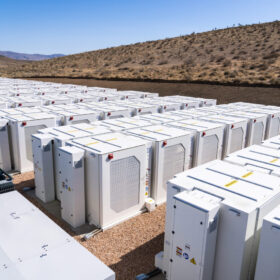
Moldova launches tender for 75 MW of battery storage
The procurement aims to improve the reliability of Moldova’s grid, facilitate energy trade with neighboring Romania and Ukraine, and support the integration of locally produced renewable energy.
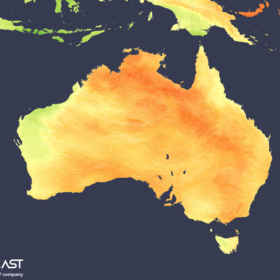
Solar gains across Australia defy seasonal cloud forecast
In a new weekly update for pv magazine, Solcast, a DNV company, reports that Australia’s summer has been much sunnier than expected so far, with localized weather events only bringing brief disruptions.
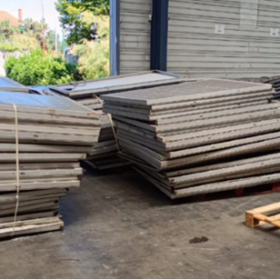
European consortium reuses second life PV panels, EV batteries in agrivoltaics, plug-in solar, low-budget projects
A European team is developing technologies and processes to show how end of life PV panels and electric vehicle (EV) batteries can be used in three distributed energy market segments: agrivoltaics, plug-in PV for households, and low-budget solutions. It will also demonstrate efficient recycling processes for critical raw materials recovered from panels and batteries that cannot be reused.

Spain’s rooftop PV installations hit 1.18 GW in 2024
UNEF, Spain’s PV association, says developers installed 674 MW of industrial PV in 2024, alongside 207 MW in the commercial sector and 275 MW of residential solar installations.
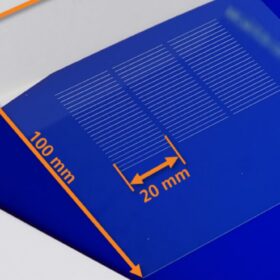
Improving solar cell performance with narrower contact fingers
Fraunhofer ISE researchers have developed a new metallization process that can produce ultra-fine line contacts for solar cells. The proposed technique is based on the so-called LIDE technology and can reportedly help increase overall PV device efficiency.
