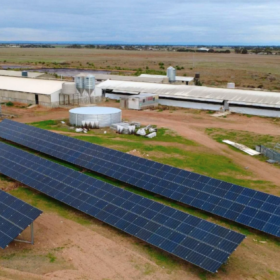
Energy-hungry Australian pig farm goes off-grid with 100 kW solar array
MyEnergy Engineering has completed an off grid 100 kW solar and 256 kWh battery system for a large-scale pig farm north of Adelaide, Australia.
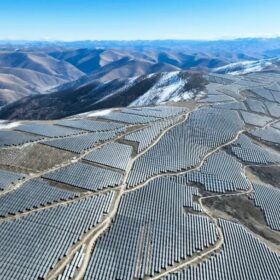
China switches on 1 GW of solar at 4,600 m above sea level
China’s SDIC subsidiary commissioned a 1 GW photovoltaic plant on the Yalong River in Sichuan, making it the world’s third-highest-altitude PV facility at 4,600 m. The project integrates with hydro assets to optimize energy output in the challenging plateau environment.
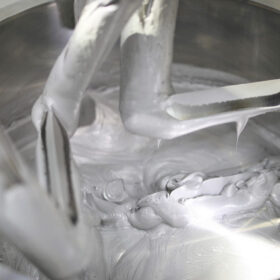
Silver price hits all time high of $108.17 an ounce
A more than 15% increase in silver prices over the past week is adding cost pressure to the solar supply chain, as silver paste costs currently represent around 30% of total PV module costs.

Scanifly and IronRidge integrate drone designs with racking layouts
Contractors can now export solar panel placements from drone models into racking design software to automate bills of materials.
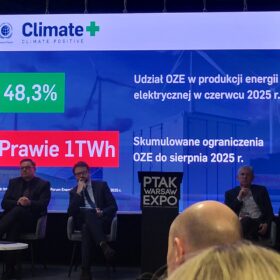
Key takeaways from Solar Energy Expo in Poland
Solar Energy Expo 2026, Poland’s flagship PV-plus-storage trade fair, returned this month with a small show-floor footprint but a sharp focus on flexibility and market reform, as well as the storage, inverter and grid-forming technologies shaping the nation’s next phase of grid integration.

EU opens probe into Bulgaria compensation award to foreign investor
The European Commission has launched an in-depth investigation to assess whether a €61 million ($71.6 million) arbitration award in favor of Malta-based ACF Renewable Energy is compatible with EU State aid rules.
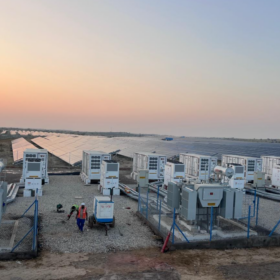
India commissions first merchant battery energy storage system
Juniper Green Energy has fully commissioned a 100 MWh merchant battery energy storage system in western India, marking the nation’s first operational project of its kind.
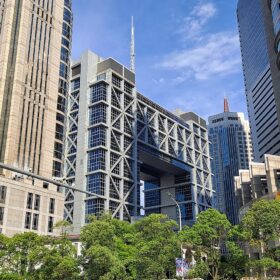
Chinese PV Industry Brief: Longi, Tongwei announce losses for fiscal 2025
Longi, and Tongwei have predicted steep losses for fully fiscal year 2025, as persistent oversupply and falling solar module prices continue to pressure margins across China’s PV manufacturing sector.

The Hydrogen Stream: EU Commission invites offtakers under Hydrogen Mechanism
The European Commission is advancing market matching for renewable and low-carbon hydrogen by inviting European offtakers to signal supply interest under the Hydrogen Mechanism, while Germany’s electrolysis rollout continues to lag official targets despite new EU-backed funding schemes.

U.S. government cuts $83 billion in loans, reversing energy transition funding
The U.S. Department of Energy moved to de-obligate or revise billions in financing for clean energy projects while prioritizing natural gas and nuclear power.
