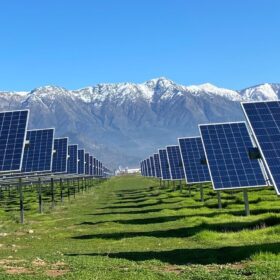
Chile’s 2023 solar installations hit 1.65 GW
Chile’s cumulative installed PV capacity reached 8.5 GW at the end of December 2023, on 1.65 GW of new projects for the year. The cumulative PV total represents 25.6% of the nation’s total power generation capacity.
Hurricane-resistant hybrid solar plant inaugurated on Antigua and Barbuda
A hybrid solar and battery project in Antigua and Barbuda, funded by the $50 million UAE-Caribbean Renewable Energy Fund, features 720 kWp of solar panels and an 863 kWh battery, designed to withstand strong winds and fully power the island nation during daylight hours.

Brazil hits 40 GW milestone
Solar accounted for 17.4% of Brazil’s electricity mix last week. PV systems up to 75 kW in size represent around 50% of the total capacity.

Chilean copper miner Codelco assigns 1.8 TWh/year in renewables auction
Colbún, Atlas Renewable Energy, and Innergex were the winners of National Copper Corporation of Chile’s (Codelco) latest procurement exercise. They secured 15-year power purchase agreements (PPAs) to supply clean power from 2026.
Case study: Utility solar + storage in LATAM’s largest solar installation
In this pv magazine Webinar, we will discuss a case study of Latin America’s (LATAM) largest solar+storage installation where two companies, Ampt and eks Energy, partnered to deliver an end-to-end power conversion solution using a fixed-voltage DC-coupled architecture.

Argentina hits 1.36 GW of PV capacity
New figures from Cammesa, the state-owned company that manages Argentina’s wholesale electricity market, show that solar accounted for 3.1% of total national generating capacity at the end of December 2023.

Colombia assigns 4.4 GW of solar for $0.0182/kWh in latest energy auction
The Colombian authorities have allocated 4.4 GW of solar capacity at a rate of $0.0182/kWh in the nation’s latest energy auction, with solar plants accounting for approximately 99% of the assigned capacity.

PV and prices, the fast uptake of solar in Brazil
In a new monthly column for pv magazine, the International Solar Energy Society (ISES) reports that Brazil currently has more than 85% renewable electricity, mainly hydropower, but with rapidly growing shares of solar and wind power. With 2.3 million rooftop PV systems installed so far and more than 90 million consumer units still available to go solar, favourable energy policies and cheap PV are encouraging the fast uptake of solar in the country.

Brazil’s solar panel imports hit 17.5 GW in 2023
PV module imports fell by 1% year on year in Brazil in 2023, according to a new report from solar consultancy Greener.
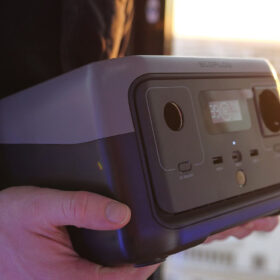
Weekend Read: PV goes portable
Portable solar generators are making their way from the fringes of solar and energy storage to become a mainstream consumer item. The rise has been charged by a range of factors that have created massive brands. Where did the sector emerge from, who was buying before, who is buying now, and what’s next? Tristan Rayner reports.
