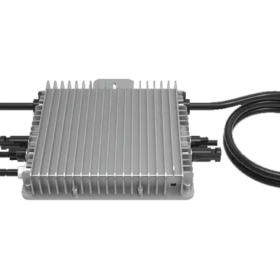
Micro-inverter for balcony solar modules
Two different devices designed by German manufacturer Bosswerk can feed up to 300 or 600 watts into the home network. The company offers a 12-year guarantee.
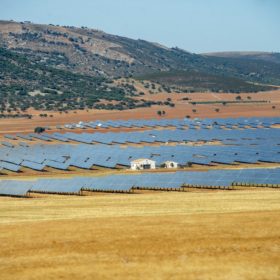
Spain deployed 3.4 GW of solar in 2020
Last year’s newly installed PV capacity comes from 2.8 GW of ground-mounted PV and 596 MW of rooftop installations. Sustained growth is expected in 2021.

First lessons learnt from offshore pilot PV system in North Sea after 18-month operation
The 50 kW modular PV system started operating at the end of November 2019. According to its developer, Dutch start-up Oceans of Energy, power production after 18 months of operations is in line with expectations. The installation had to withstand several storms and waves with a height of up to 10 meters.
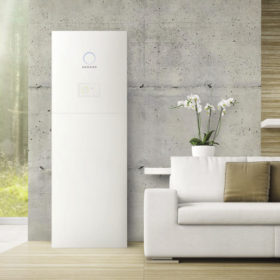
Sonnen battery still running after 28,000 full charge cycles
Sonnen has published test results indicating the longevity of its storage systems after extended use.

‘Fit for 55’ could be fit for 660 GW of solar this decade
While trade group SolarPower Europe has welcomed the EU’s emissions-reduction legislative package, it renewed calls for solar and energy storage to be mandated on buildings and urged policymakers to go even further than the stated ambition for clean power to fire 40% of European electricity by 2030.

Germany’s first tender for rooftop PV concludes with average price of €0.0688/kWh
The procurement exercise’s final prices ranged between €0.0535 and €0.0789 per kWh. Furthermore, the German authorities revealed that the tender for ground-mounted PV concluded with an average price of €0.05 per kWh.

A tribute to our colleague Joël
Dear readers, It is with great sadness that we have learned of the sudden death of our colleague Joël Spaes, on Sunday. An accomplished professional in the energy industry, he joined pv magazine France in 2019 to report on news and other developments in the solar photovoltaic sector. His kindness, his great intelligence, his keen […]
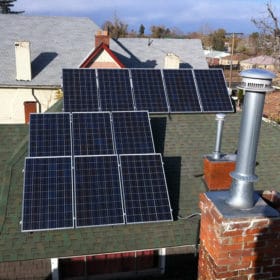
What is needed to persuade UK households and businesses to go solar?
The government’s Department for Business, Energy and Industrial Strategy surveyed householders and small businesses and was told the prospect of firms having to pay higher taxes after installing PV prompted fury – just as the national solar trade body has been telling Whitehall for years.
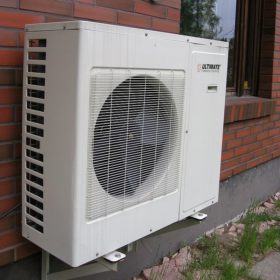
Switching from subsidization to taxation may improve uptake of heat pumps coupled to PV
According to a Swedish-Austrian group of scientists, the combined use of heat pumps and rooftop PV generation may be boosted in Europe by replacing current subsidies with a carbon tax policy. Their analysis showed that the profitability of this combination is strictly dependent on gas prices, and that a slight increase in gas prices would be crucial to sustain strong development.
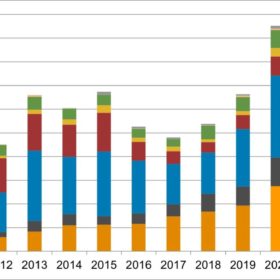
Switzerland added half a gigawatt of PV in 2020
All segments grew strongly and, overall, the newly installed capacity increased by almost 50% compared to 2019. Photovoltaics was able to cover 4.7% of Switzerland’s electricity needs last year.
