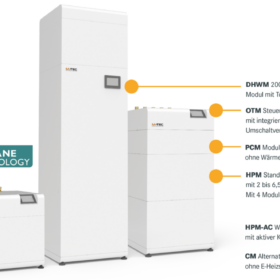
M-Tec launches modular propane heat pump for residential, commercial use
The new residential heat pump system can be configured modularly and requires less than 150 grams of refrigerant, which allows it to be installed indoors. The system integrates with M-Tec’s energy management platform and supports multiple heat sources, photovoltaics, and battery storage.

German startup installs industrial heat pump producing 139 C steam
German start-up SPH has installed its ThermBooster heat pump at Philip Morris International’s Italian factory, producing high-temperature steam at 139 C. The system boosts energy efficiency, cuts gas use by up to 50%, and recovers 20–30% of water from exhaust.

Enerin offers industrial heat pump delivering heat up to 250 C
The Norwegian industrial heat pump specialist said its HoegTemp system has a heat supply capacity of 0.2 MW to 5 MW and a coefficient of performance above 2 at high lifts.
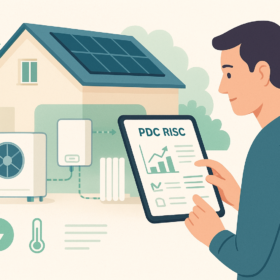
Open-access online tool helps homeowners replace gas boilers with PV-driven heat pumps
Italian research agency Enea has created a web tool that assesses the feasibility of replacing residential gas boilers with heat pumps by providing an estimate of the potential energy and economic savings. The app also provides information on the technical specifications of the photovoltaic system necessary to meet the heat pump’s electricity demand.

European heat pump subsidies tightening, says EHPA
Analysis by the European Heat Pump Association finds several European countries have restricted available heat pump subsidies over the last two years, with the general trend moving towards targeted aid linked to low-income or energy performance.

Wind-PV-powered heat pump for low-energy residential buildings
Scientists in China have developed an optimized energy management strategy for a wind-PV hybrid heat pump system that uses both thermal and electric energy storage. Using different seasonal interaction management strategies, they simulated four operational cases.
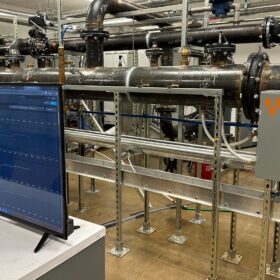
Skyven Technologies commissions steam-generating, industrial heat pump
The company’s demonstration centre in Dallas, Texas, showcases its Arcturus steam-generating heat pump, which it says is eight times more efficient than natural gas boilers and six times more efficient that electric boilers and thermal energy storage.
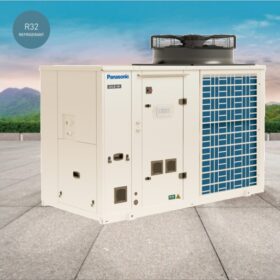
Panasonic launches new air-cooled heat pumps
The heating and cooling business of the Japanese giant has released a new range of heat pumps for commercial projects. The systems have capacities of 40 kW and 50 kW.
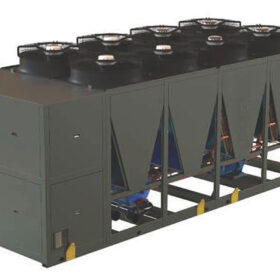
Rinnai unveils air-to-water heat pumps for commercial, industrial use
The systems use propane as the refrigerant and range in capacity from 40 kW to 410 kW. Their coefficient of performance reaches up to 3.88.
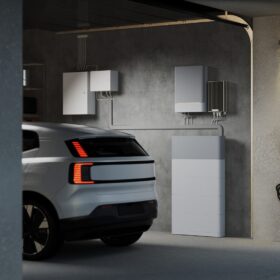
Aira unveils battery storage system and inverter range
Swedish heat pump maker Aira unveils new battery energy storage system and inverter range for the residential market. Aira Power Hub inverters and Aira Power Store batteries are marketed as part of a whole home energy management system, initially launching in the United Kingdom and Italy with a German rollout to follow.
