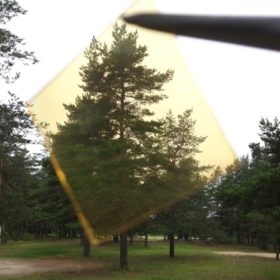
Semi-transparent antimony trisulfide PV cell for solar window applications
The 5.5%-efficient cell was fabricated through a low-temperature, two-step manufacturing process that is compatible with existing window glass manufacturing technology. Cells made with 70nm antimony trisulfide films achieved the best fill factor of around 57%, while the highest power conversion efficiencies were achieved with films ranging from 70 to 100nm.
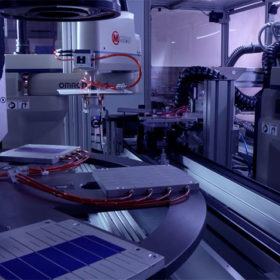
Mondragon Assembly unveils tabber stringer for heterojunction PV cells
Mondragon Assembly has developed a new solution for the interconnection of heterojunction cells with electrically conductive adhesive tech. It can now produce up to 2,600 cells per hour, and is already available on the market.
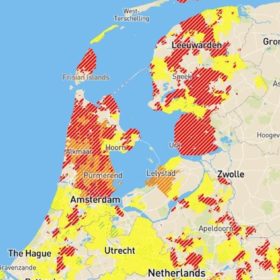
Netherlands updates grid congestion map
Netbeheer Nederland has provided a new map for grid congested areas warning that grid-connection issues may also arise in less problematic areas. Solar, in particular, is claimed to be responsible for increasing grid-constraints.
Ayana Renewable Power commissions 150 MW of solar in India
Bengaluru-based Ayana Renewable Power has commissioned part of its 300 MW solar project in Bikaner, in the Indian state of Rajasthan.
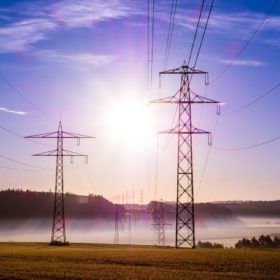
US solar sector shoring up resilience to cyberattacks
As solar and storage technologies are deployed on the U.S. grid in record numbers, there’s no time like the present to take steps to prevent solar and storage from cyberattacks.
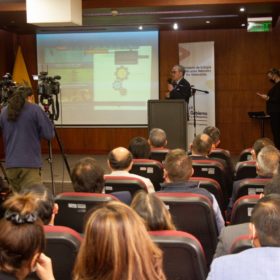
Ecuador launches 500 MW renewables tender
The procurement exercise will be open to hydroelectric, wind, solar and biomass projects.
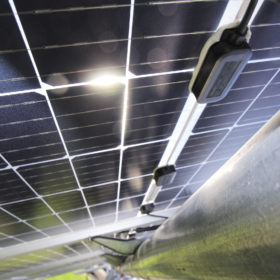
Behind PID in bifacial solar cells
New research from Germany outlines mechanisms behind a form of potential-induced degradation specifically affecting the rear side of bifacial solar cells. Results suggest that the issue may be more complex than previously thought; and avoiding irreversible damage to cells in the field will require a rethink of testing standards.

Solar carport without foundations
Conceived by French solar company Mecojit, the solar carport solution can be deployed without excavation work and can be coupled with EV recharging stations.

UK launches new auction for large scale renewables, solar included for first time since 2015
The fourth round of the Contracts for Difference (CfD) scheme is expected to allocate 12 GW of renewable energy capacity. Solar and on-shore wind, which the British government considers well-established technologies, are entitled to secure up to 5 GW, but the limited budget these two technologies have been awarded may not be enough to reach this level.

Utility scale hybrid wind-solar in Madagascar
The project consists of an 8 M W solar PV plant that is scheduled to be operational in 2022 and a 12 MW wind farm that will be commissioned in 2023. Both facilities will be connected to an 8.25 MW battery and will cover 60% of the annual electricity consumption of the Fort-Dauphin mine, located in the south of the island.
